Mobility is a normal part of life, as people move between places for livelihood, family and cultural reasons. People living with HIV are no exception. They require lifelong antiretroviral therapy (ART) and ongoing access to healthcare services, even when they move. Continued access to ART and routine HIV care is critical to ensure people remain virally suppressed, which keeps them healthy, prevents HIV transmission, and moves South Africa towards achieving the UNAIDS 95-95-95 targets. However, mobility presents real challenges for mobile people and for health services. Administrative requirements for transferring care and a lack of easy communication between facilities (especially between provinces) can make it difficult for mobile people to continue to access services. These challenges may be particularly difficult when people move unexpectedly or planned travel is suddenly extended.
Mobility is not the problem – people often need to move for economic or family reasons, and we should not try to ‘fix’ mobility. Rather, health systems must adapt to the needs of mobile people to support continuity of care when they move. Through the ON-THE-MOVE project, we work equitably with people living with HIV, healthcare providers, policy and decision-makers, and community stakeholders to develop interventions that respond to the needs of mobile populations and the challenges faced by health services.
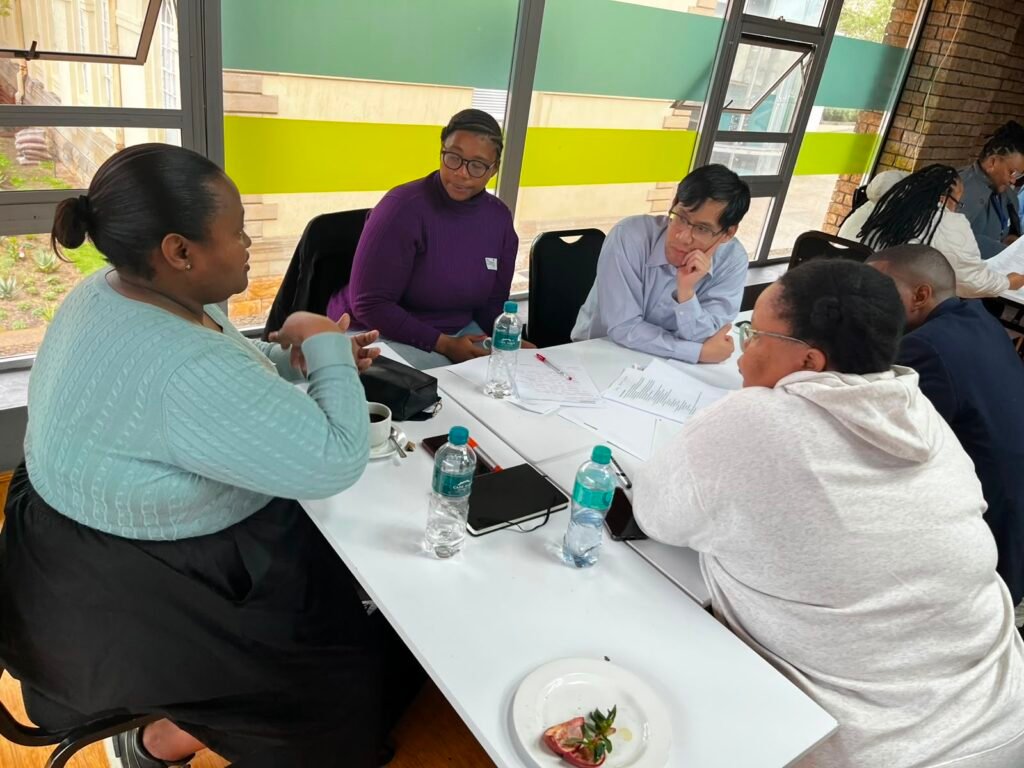
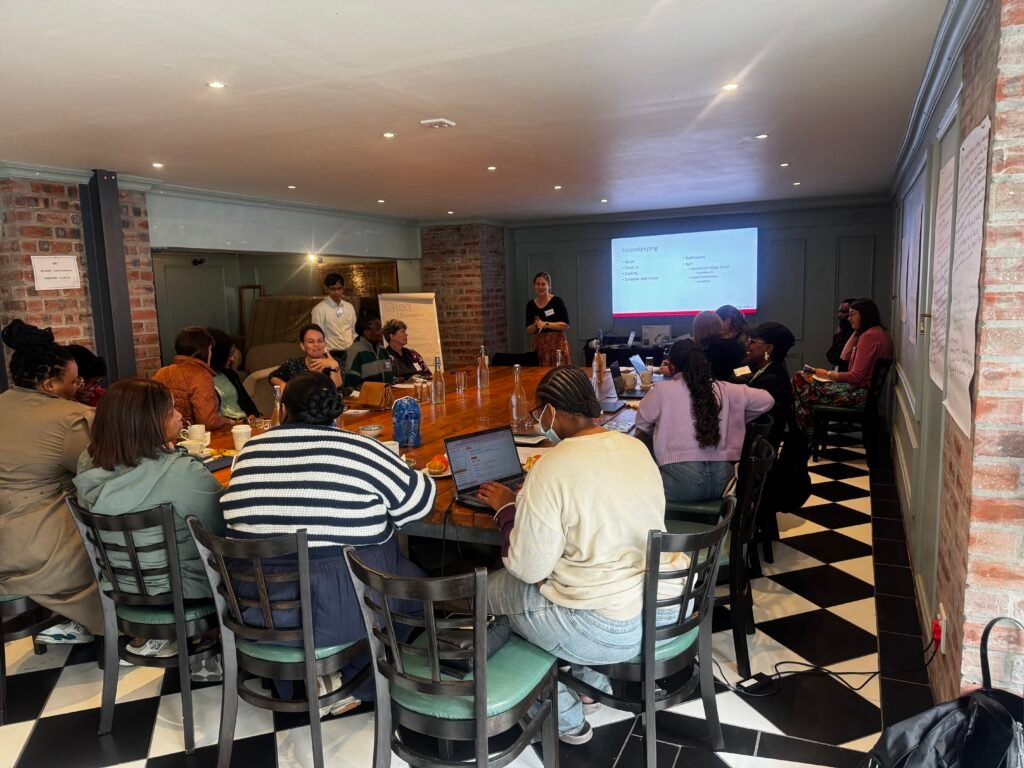
In September, we held a series of co-design workshops where our diverse group of stakeholders unpacked the challenges around mobility and care engagement, explored a range of possible solutions, and shaped the chosen interventions from the onset. We recognised that bringing stakeholders together does not necessarily ensure equitable participation. The differences in roles and power may affect who feels comfortable contributing and whose views influence decisions. Drawing on Elinor Ostrom’s Nobel Prize winning principles of collaboration and Nancy’s Kline’s Thinking Environment, all activities aimed to create spaces for shared thinking and equitable collaboration.
Provider workshop
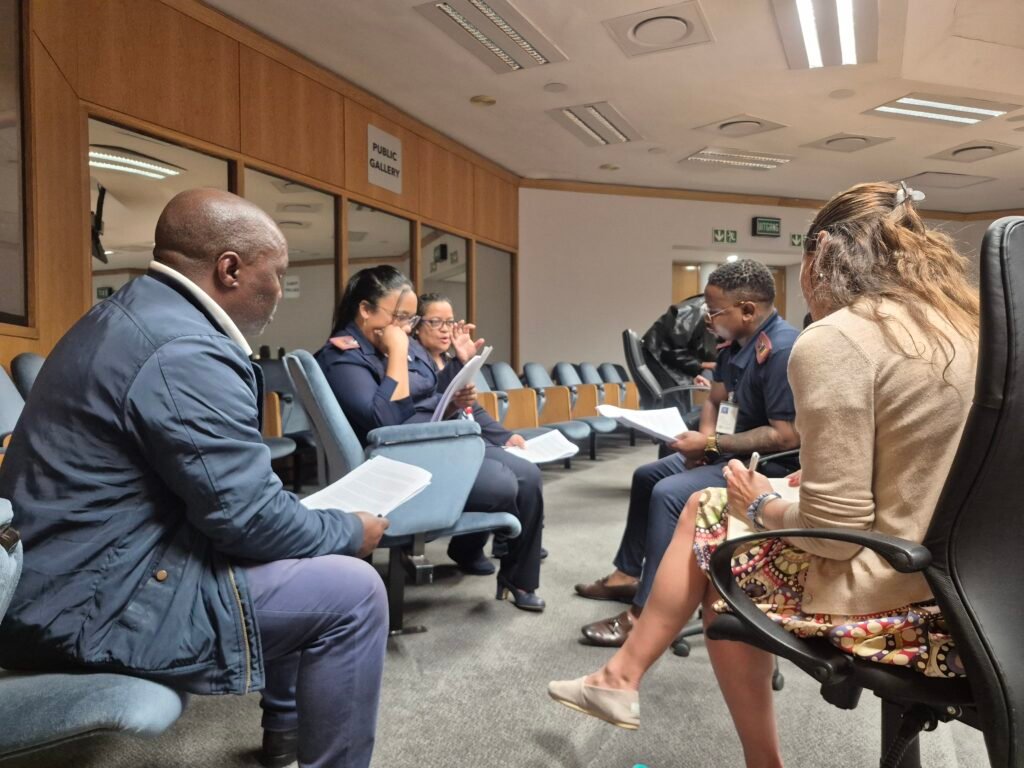
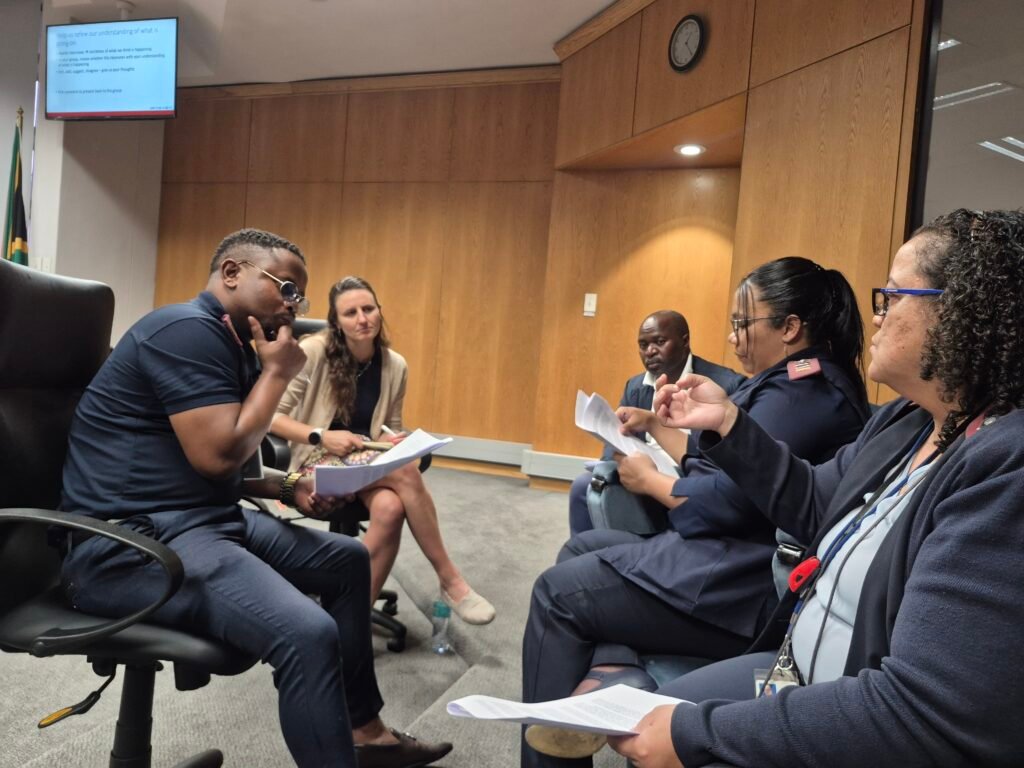
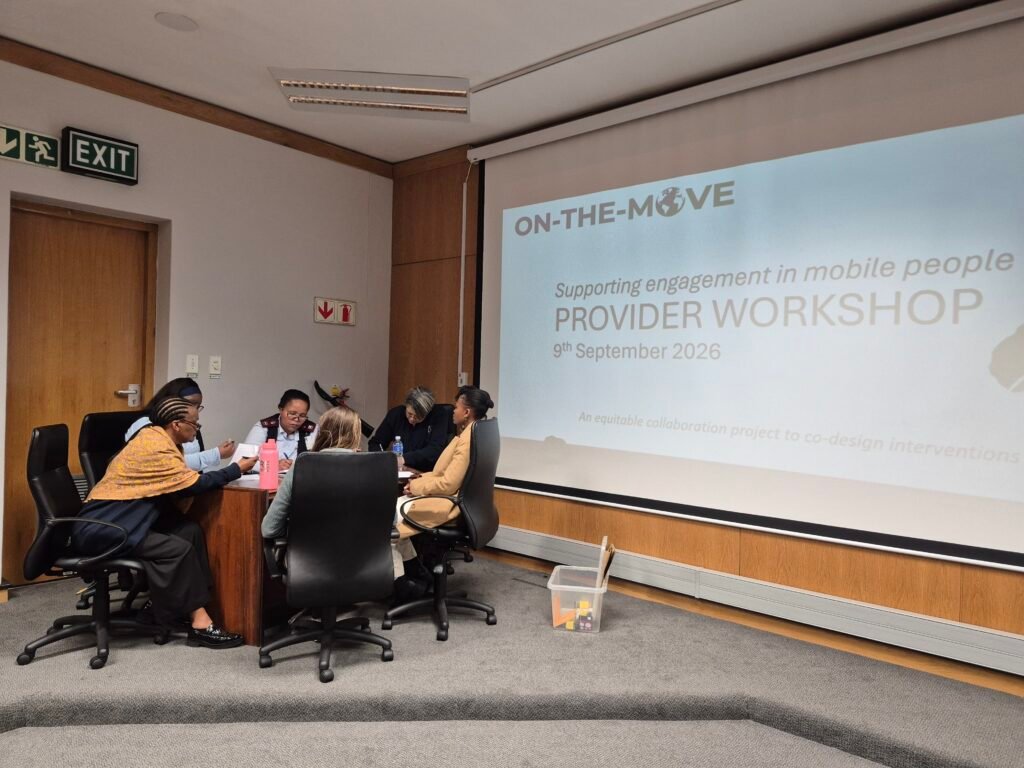
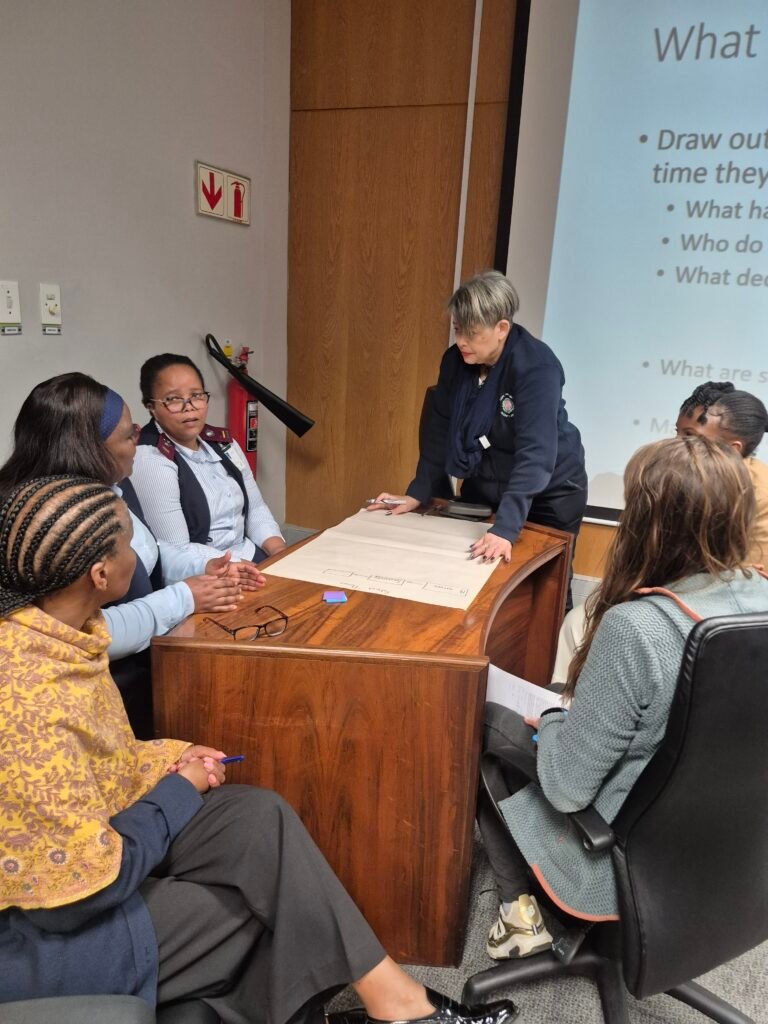
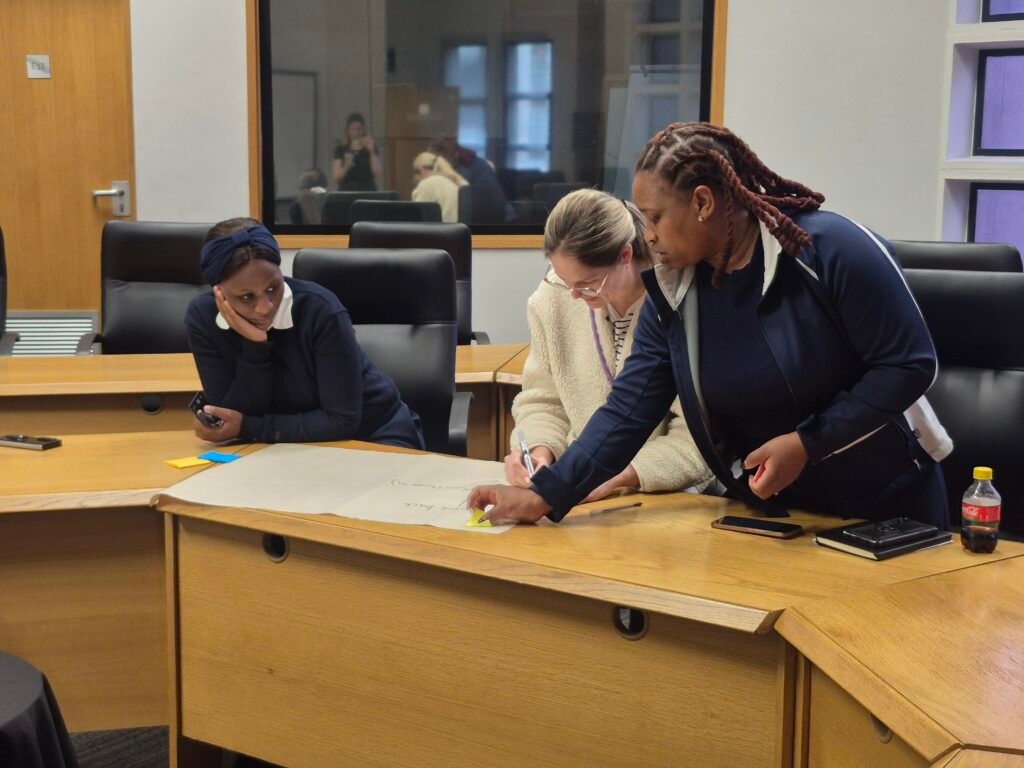
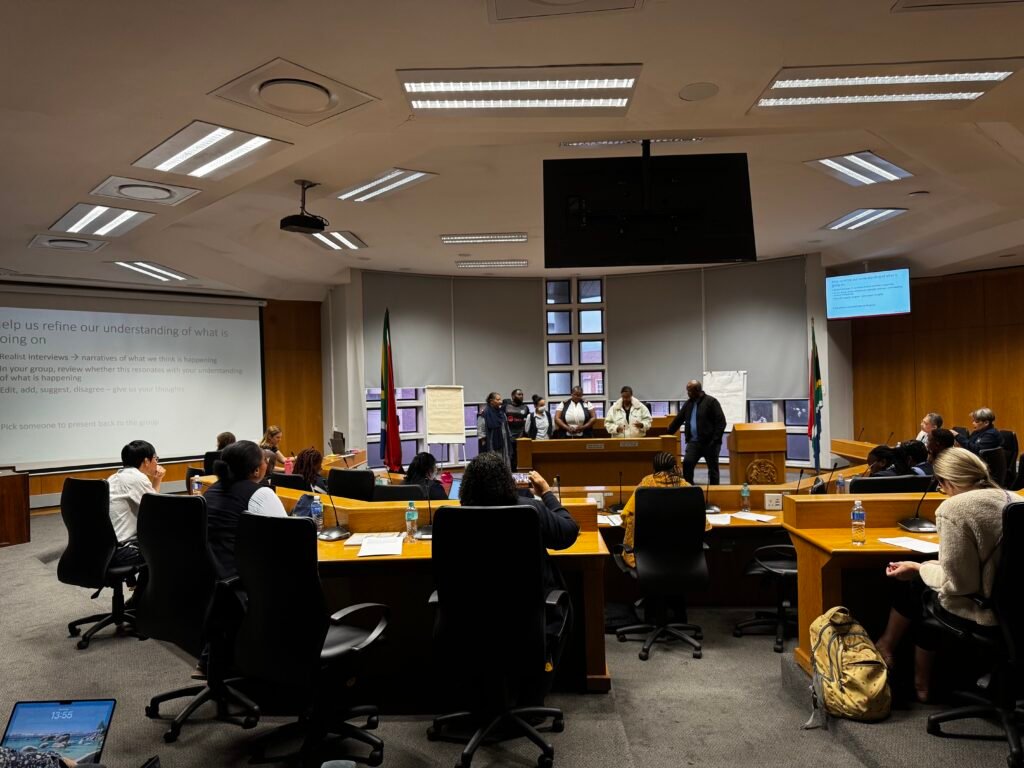
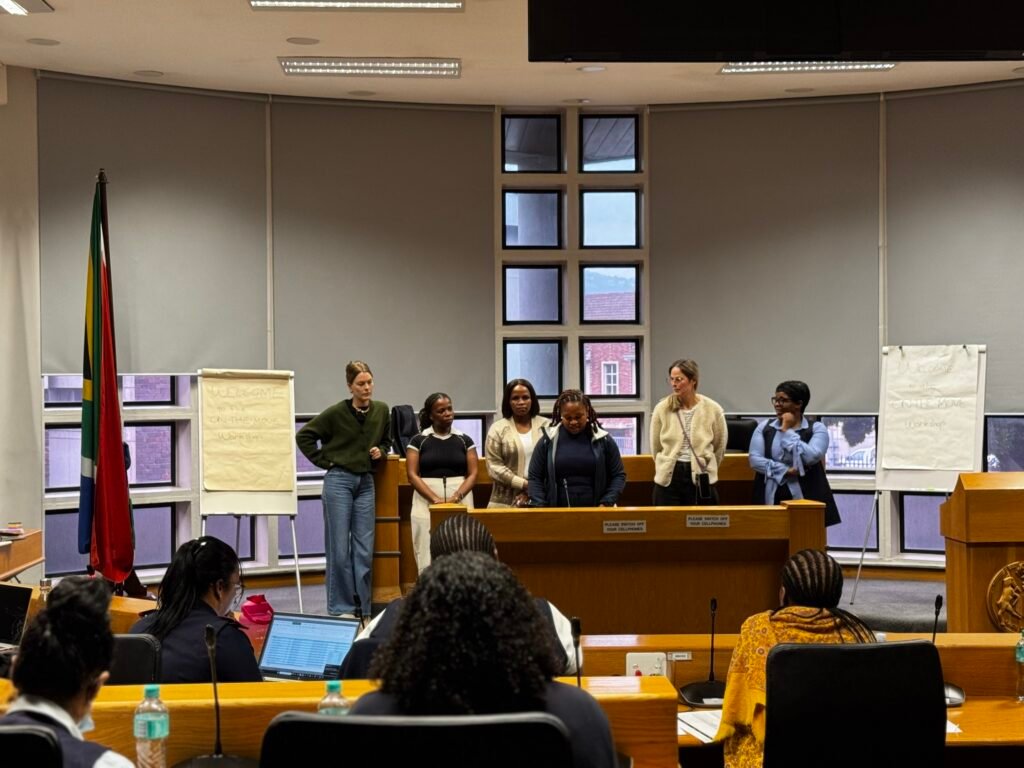
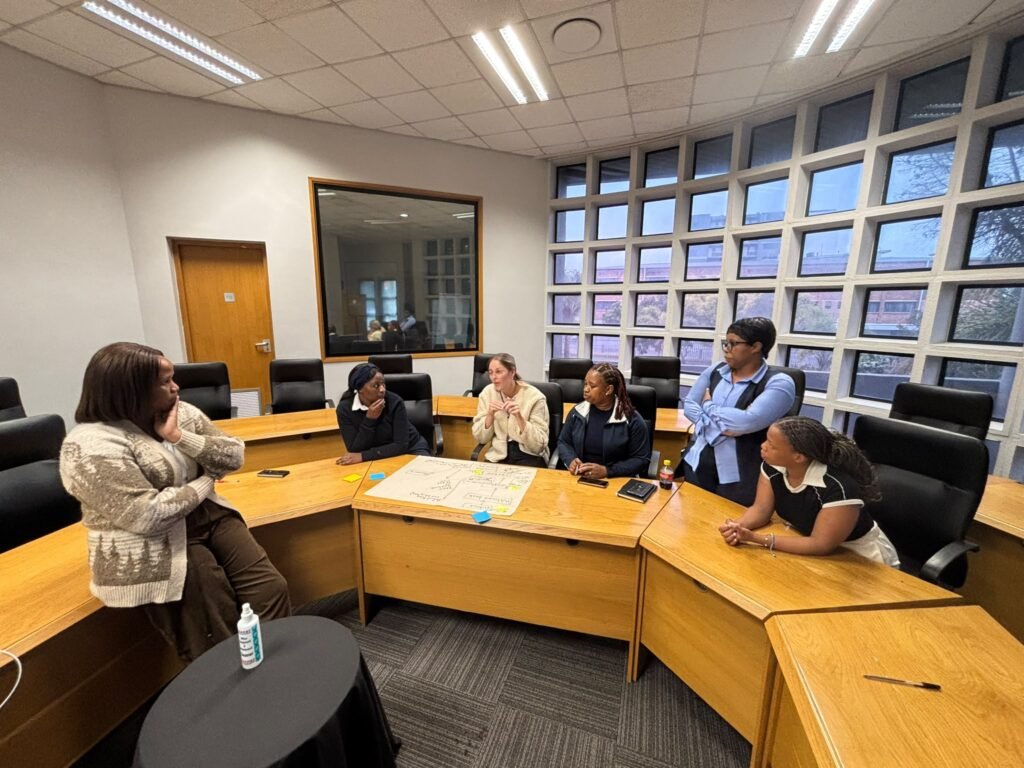
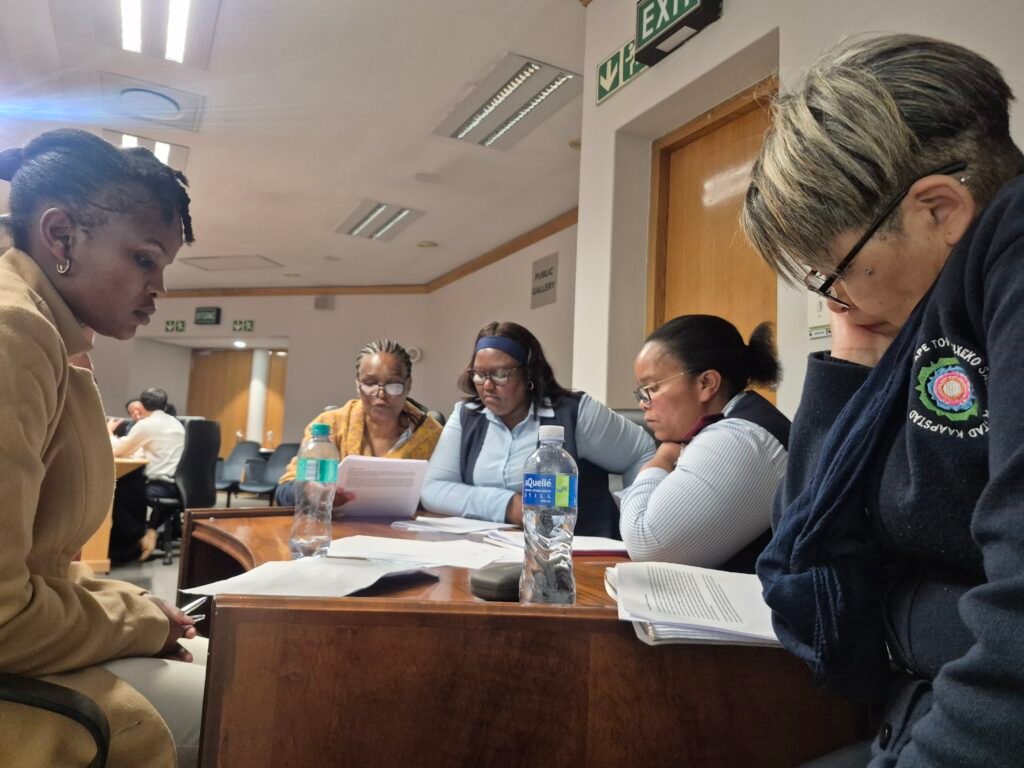
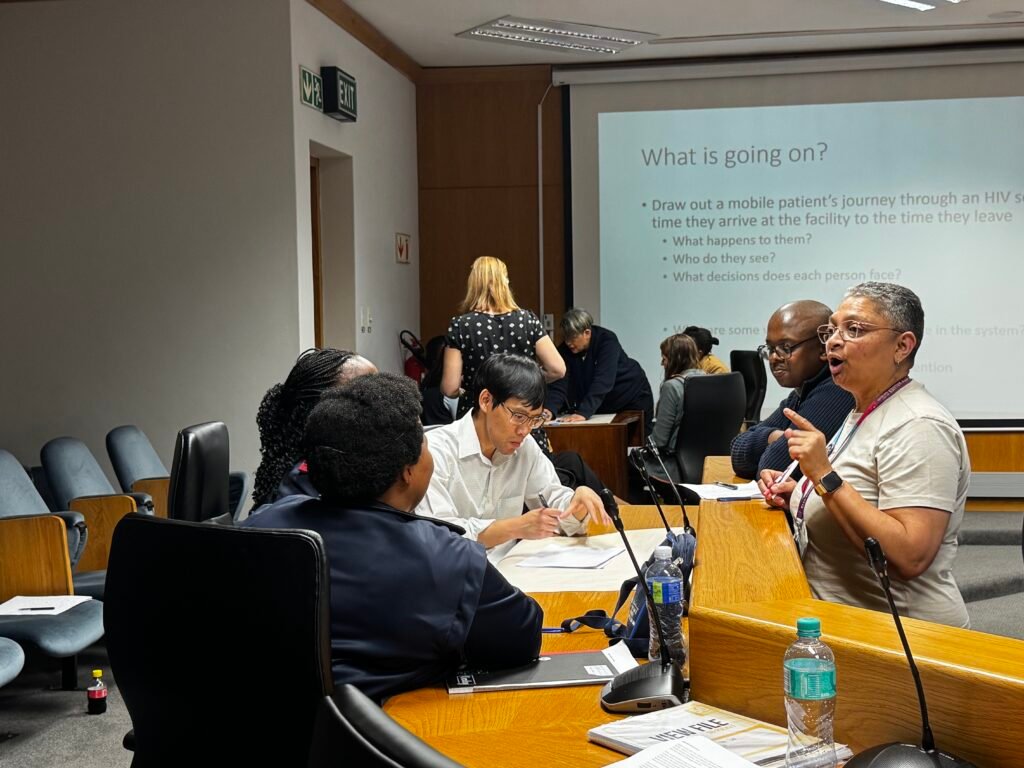
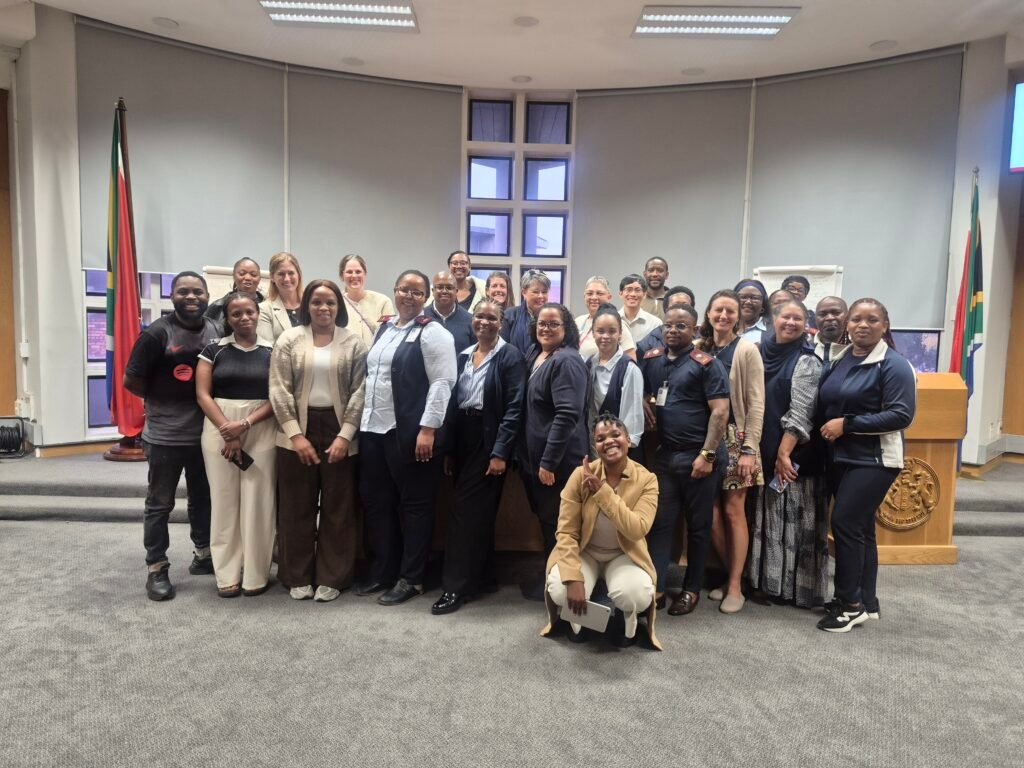
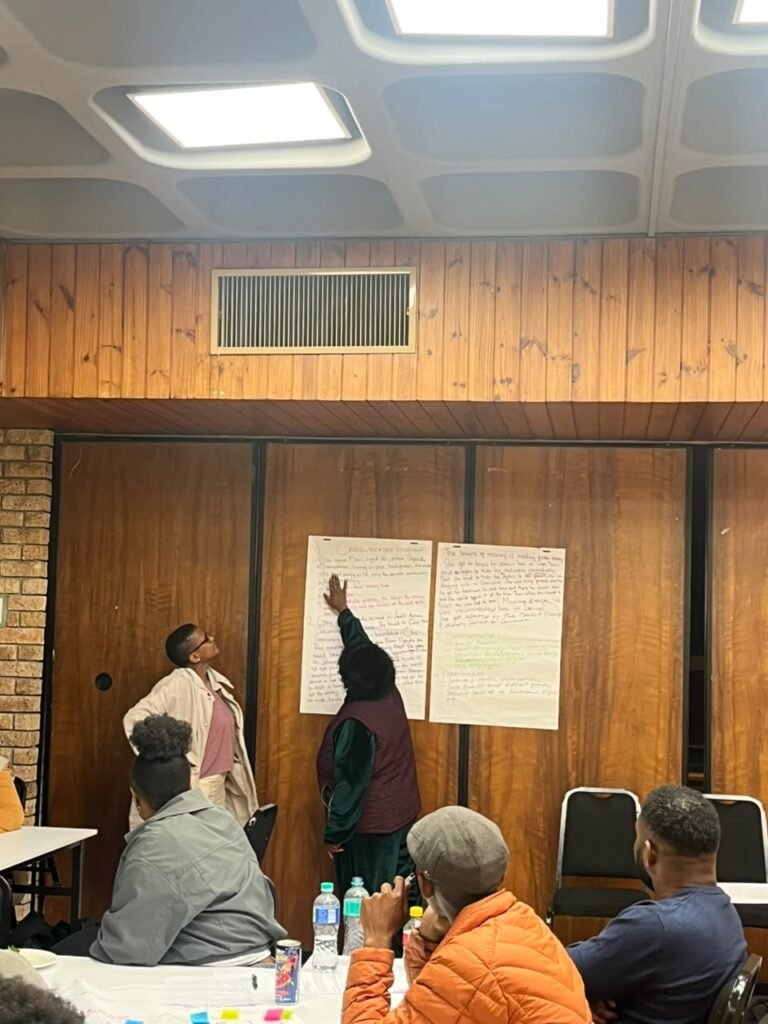
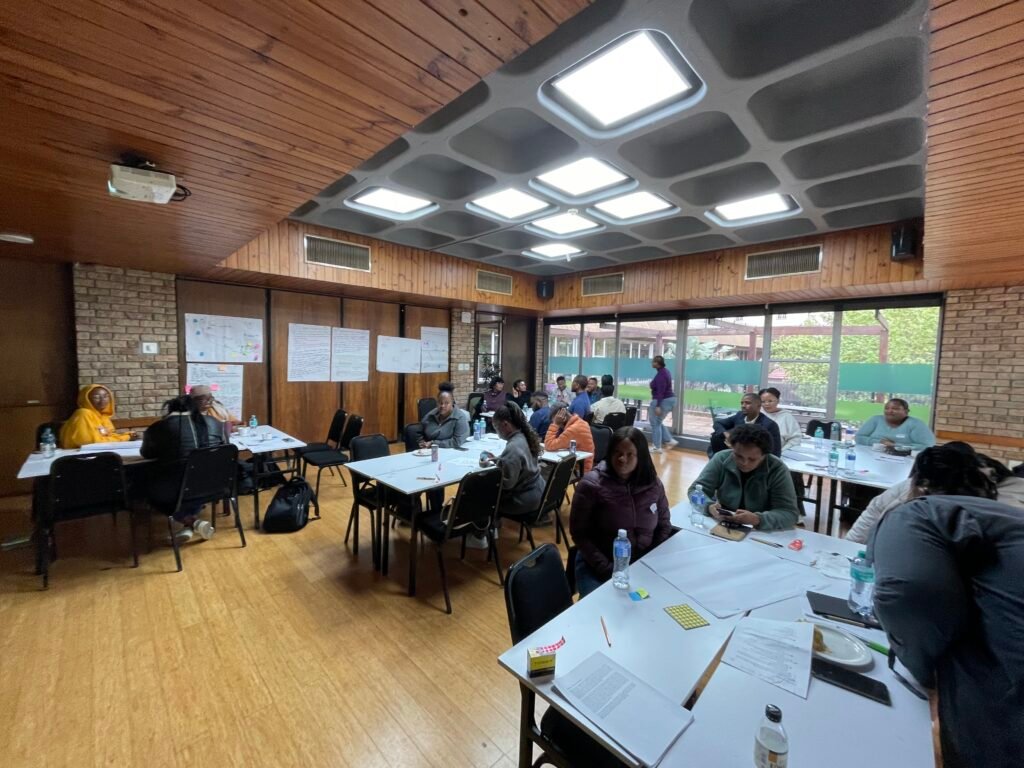
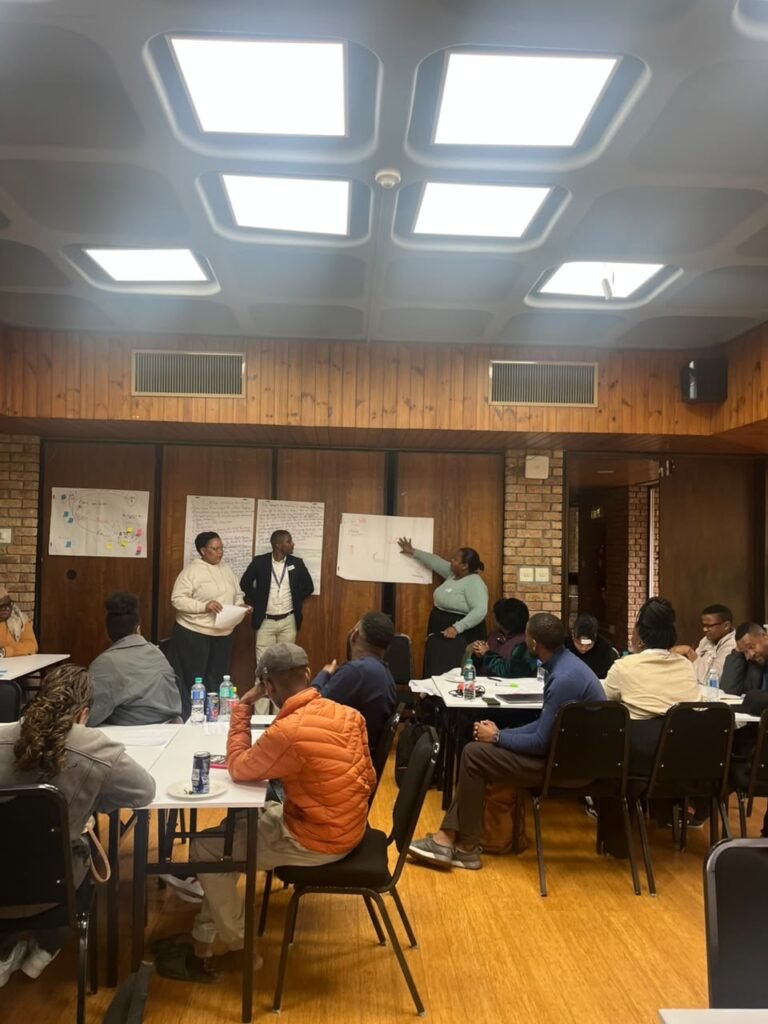
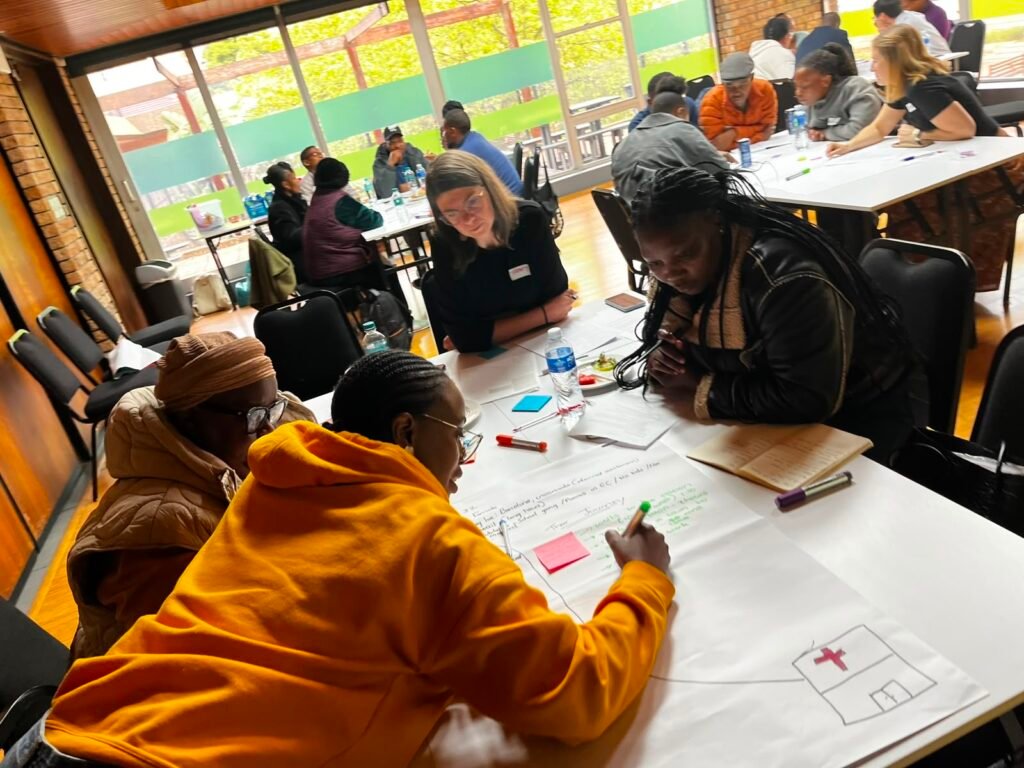
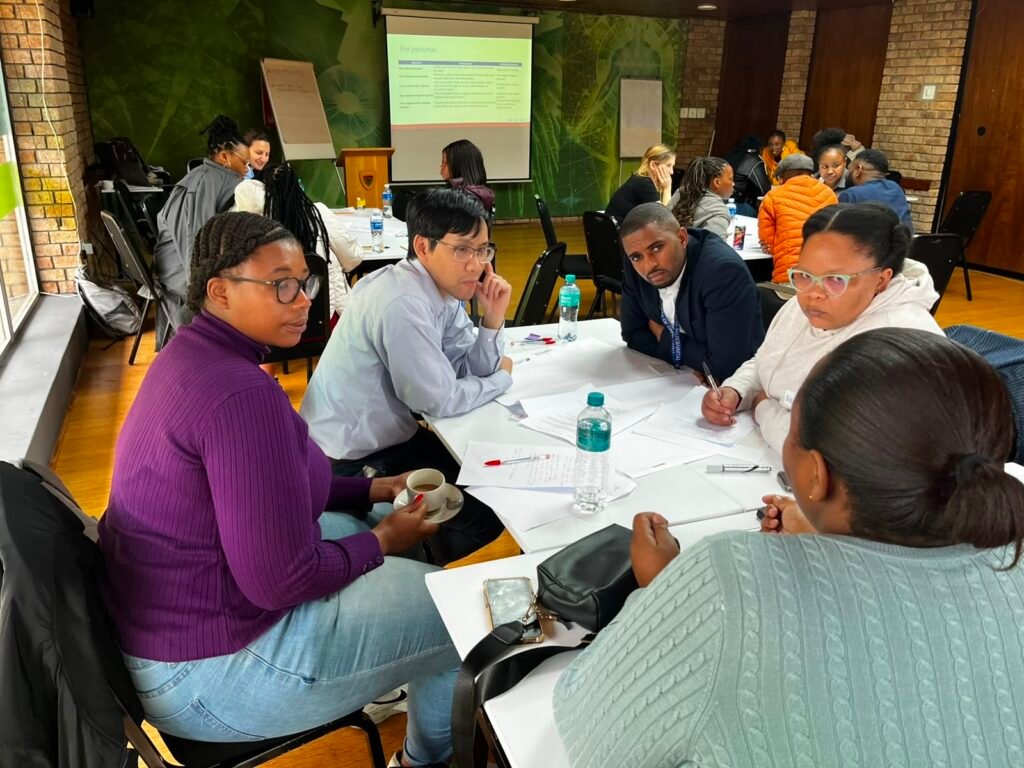
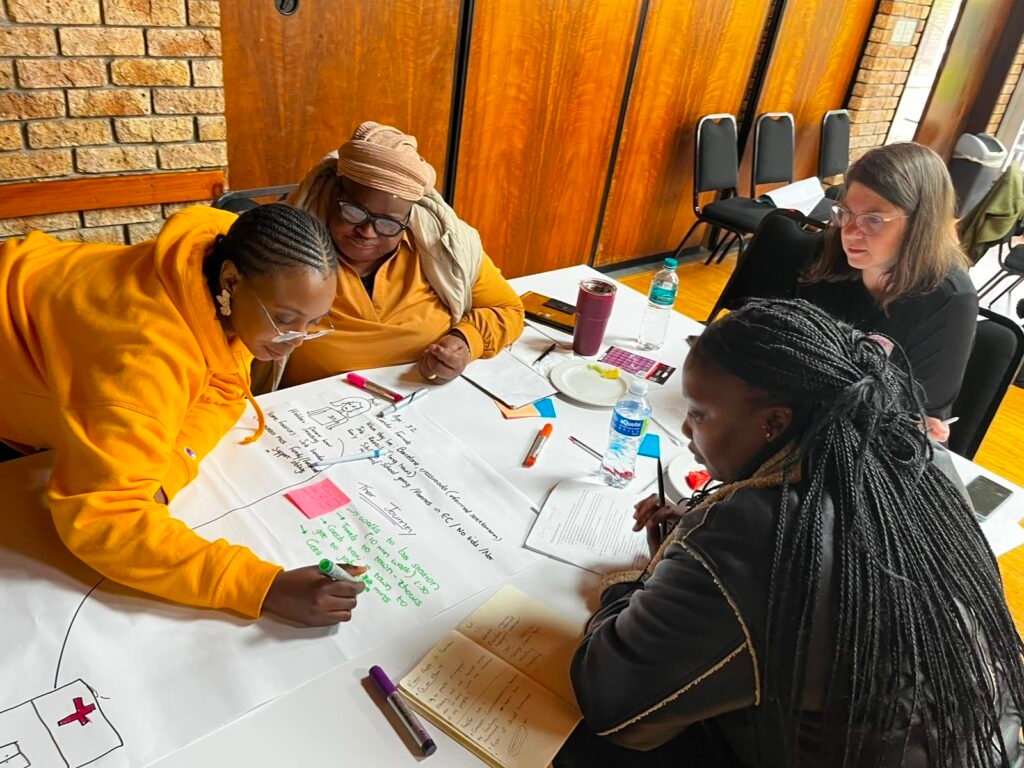
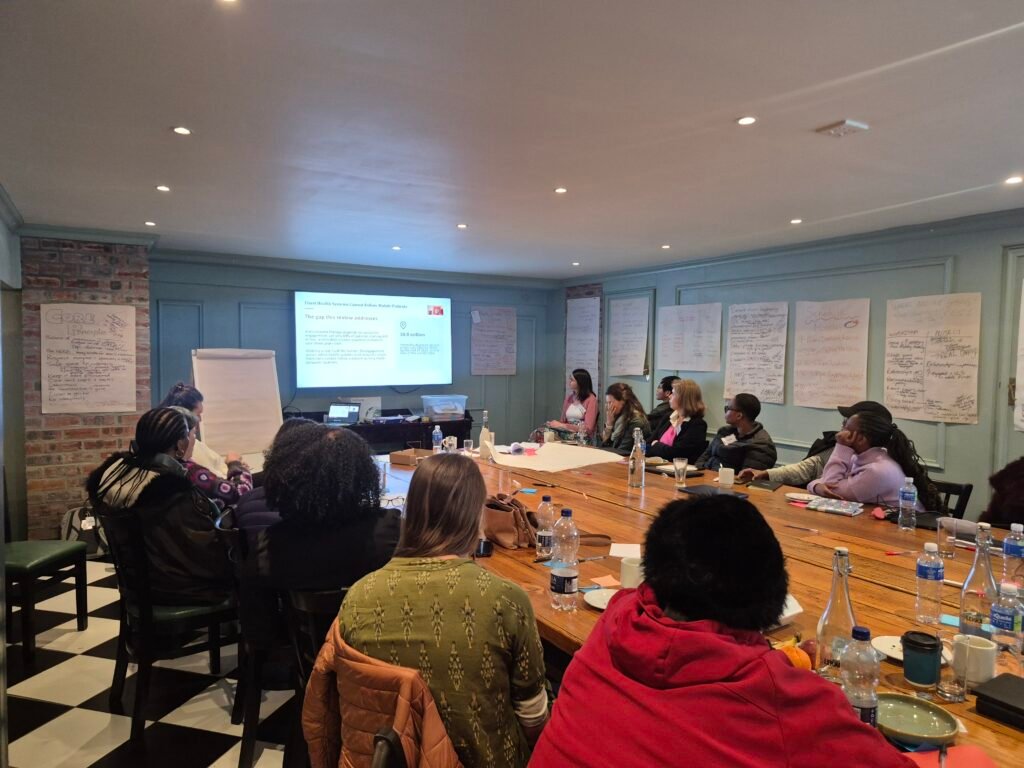
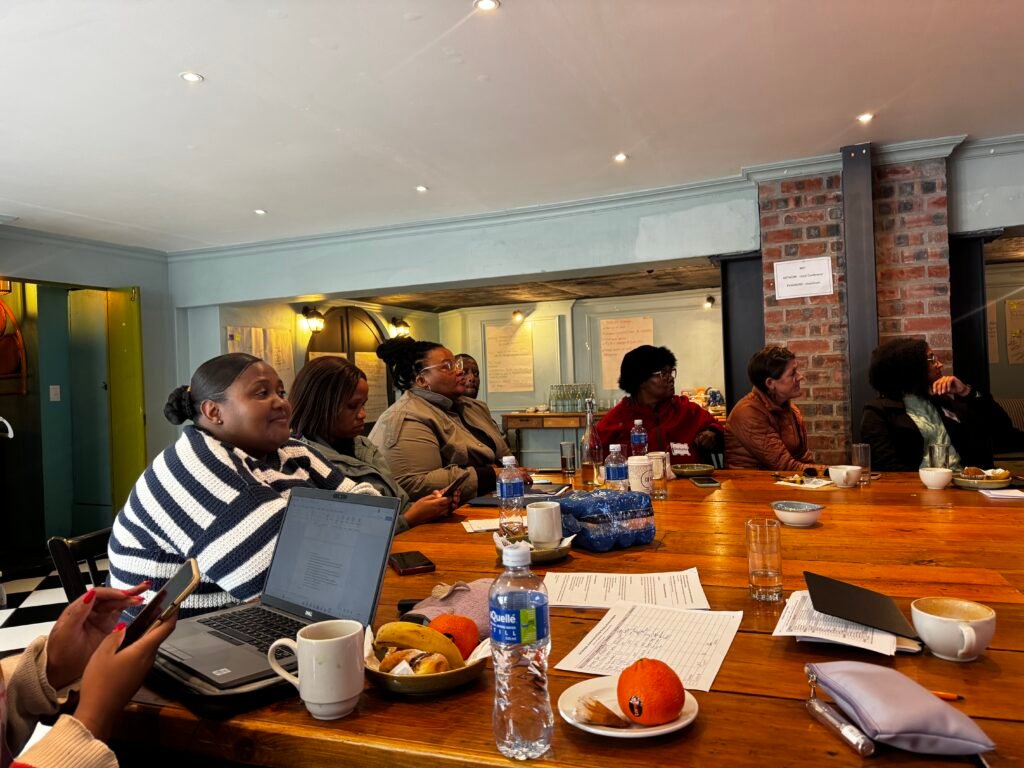
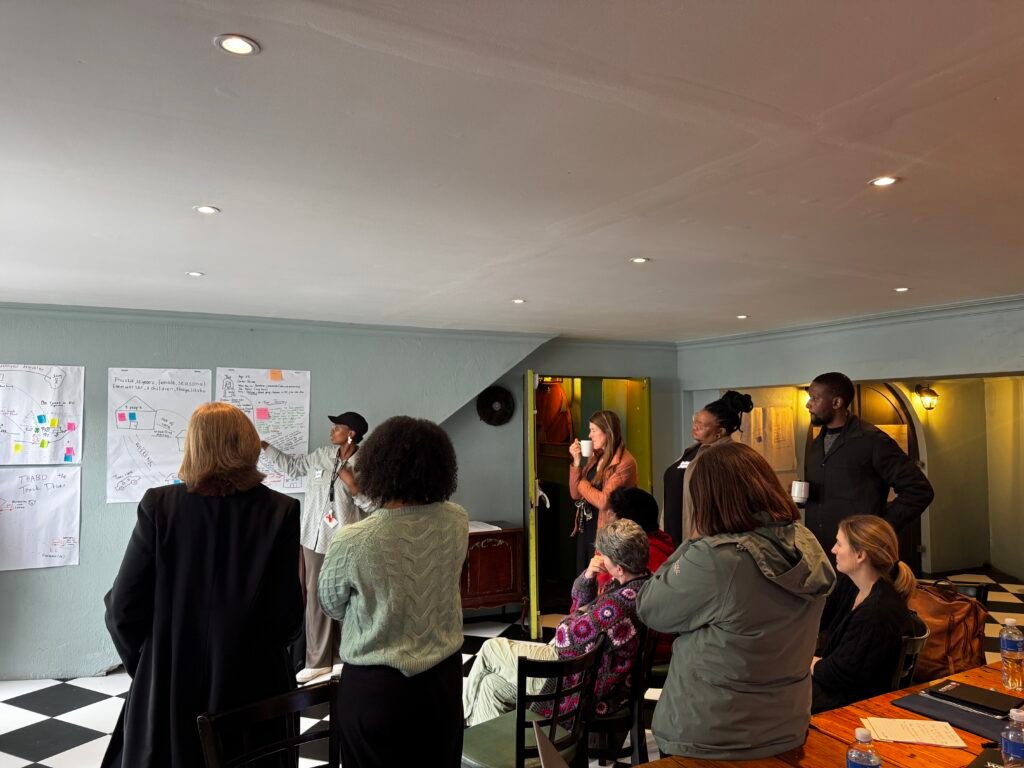
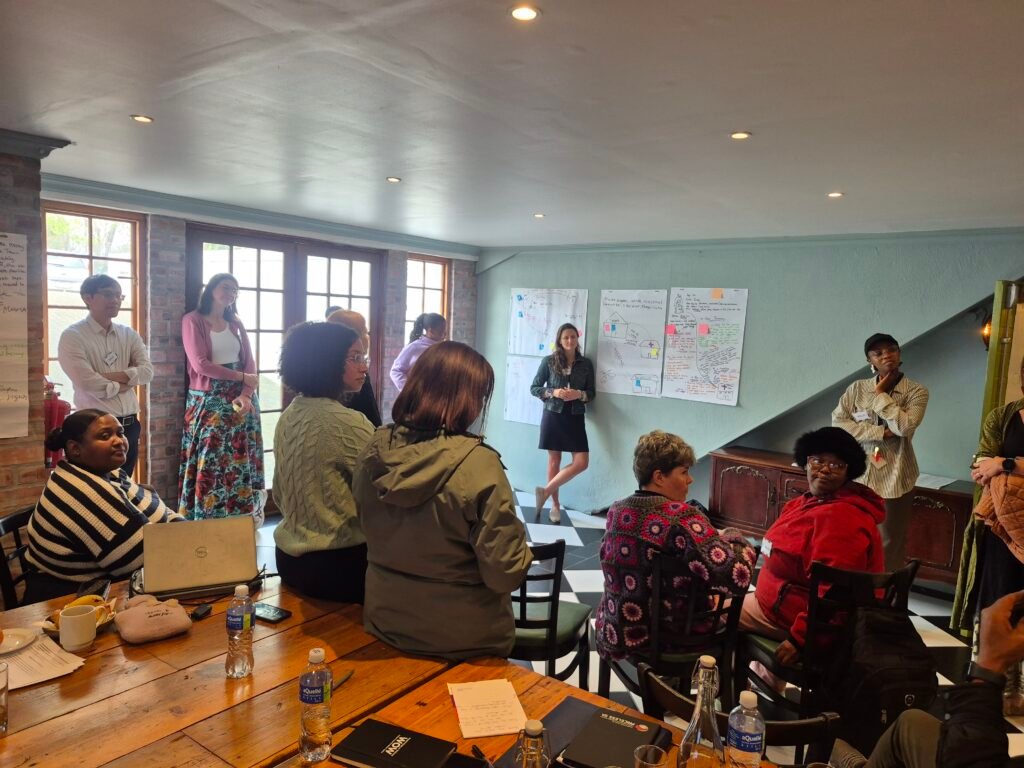
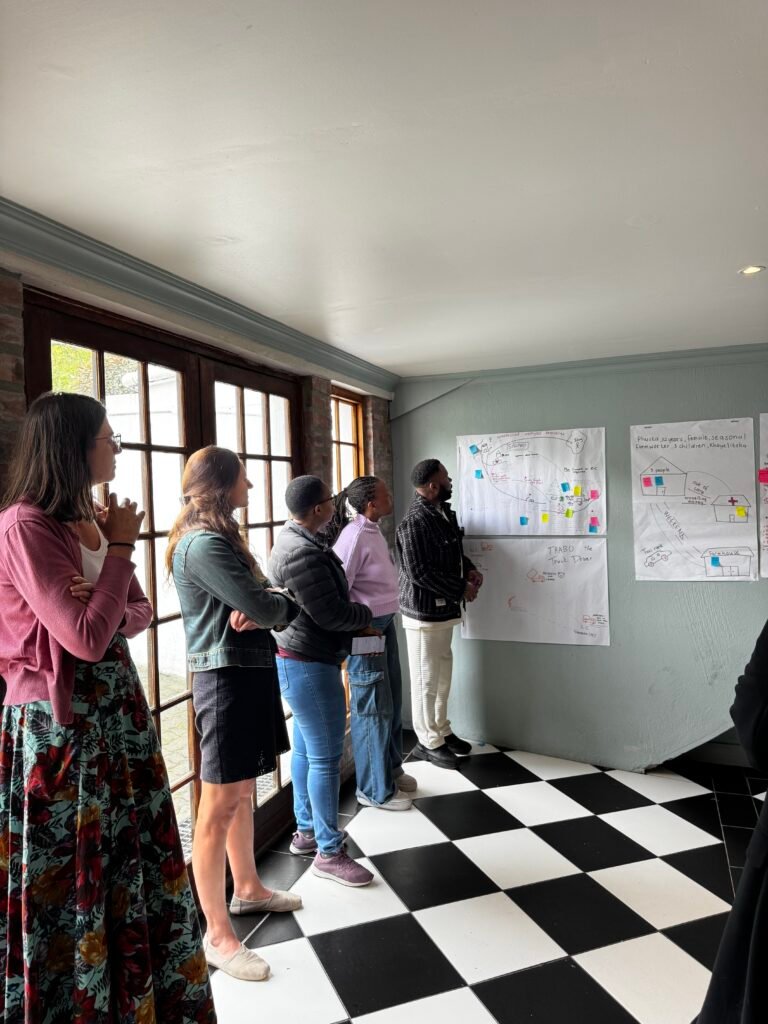
On the 9th of September 2026, we held a workshop for healthcare providers from facilities across Cape Town, including facility managers, nurses, doctors and administrative staff from the City of Cape Town and Metro Health Services. We mapped patient journeys back into care and explored how facilities manage patients who move between clinics, the challenges providers encounter and potential changes that could help them better support mobile PLWH.
Community workshop
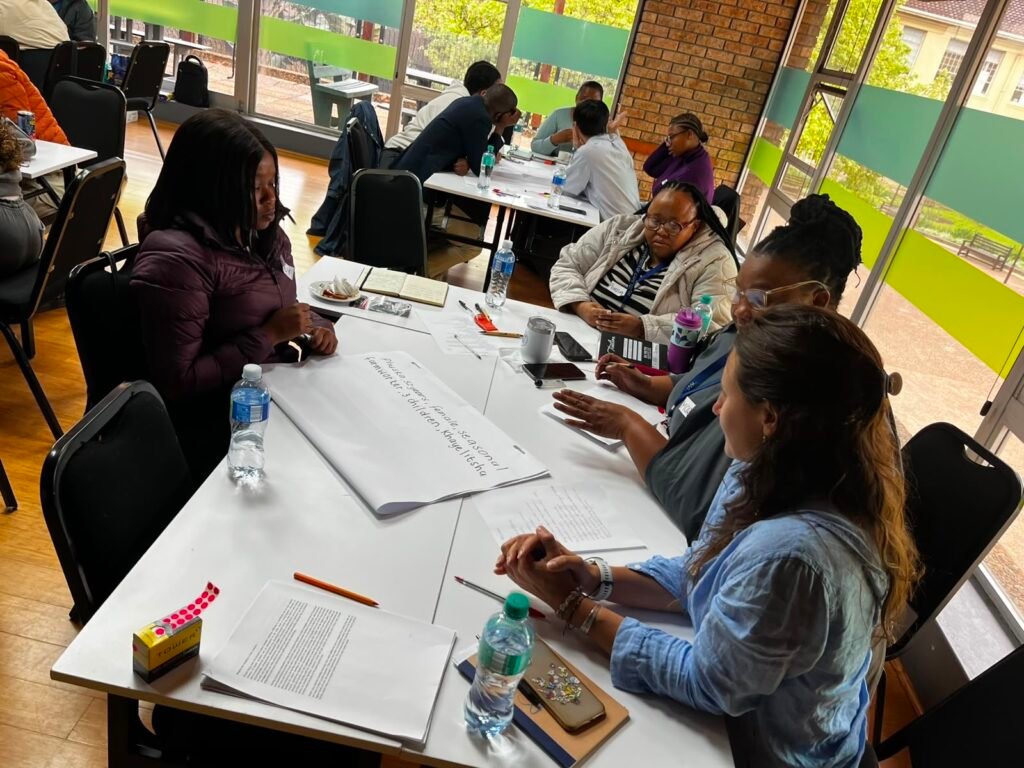
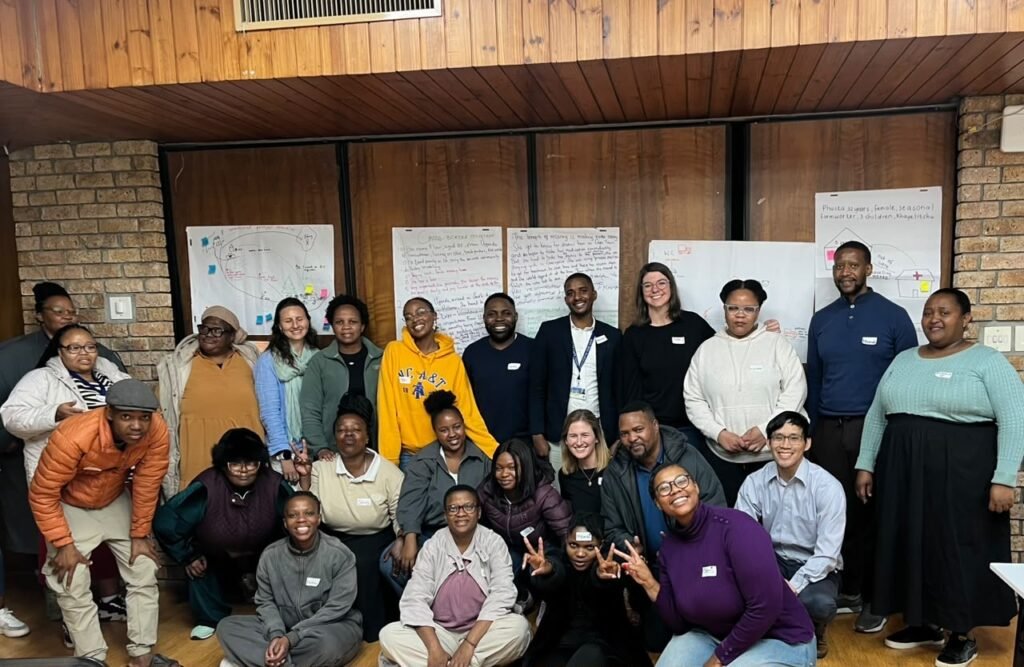
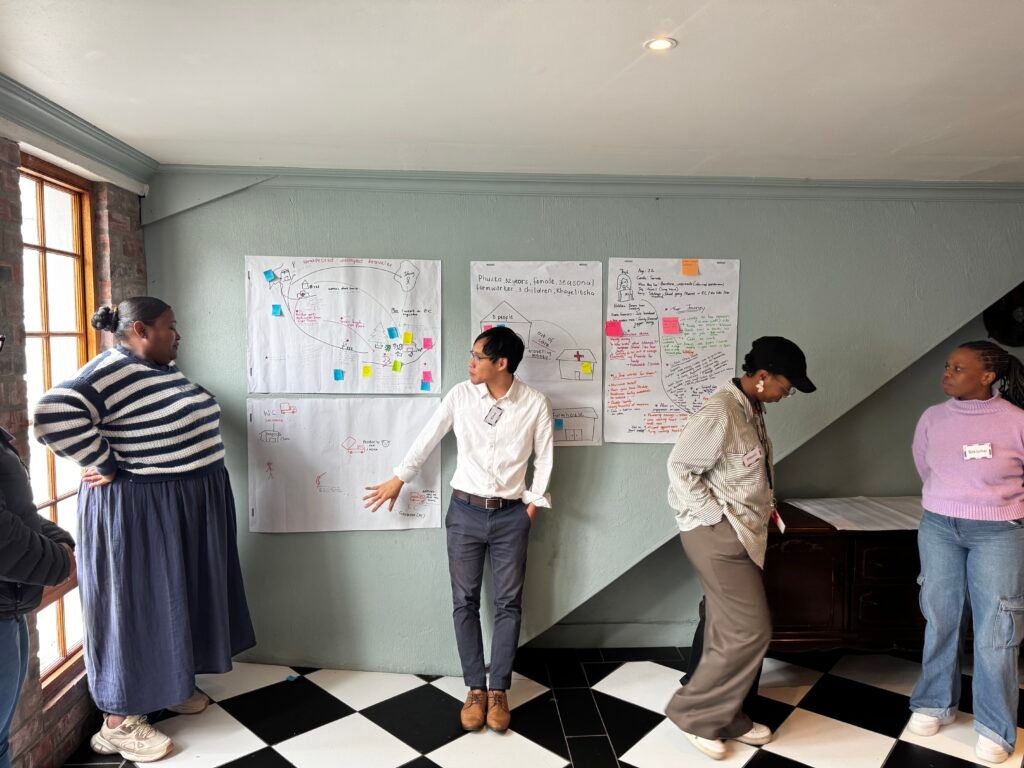
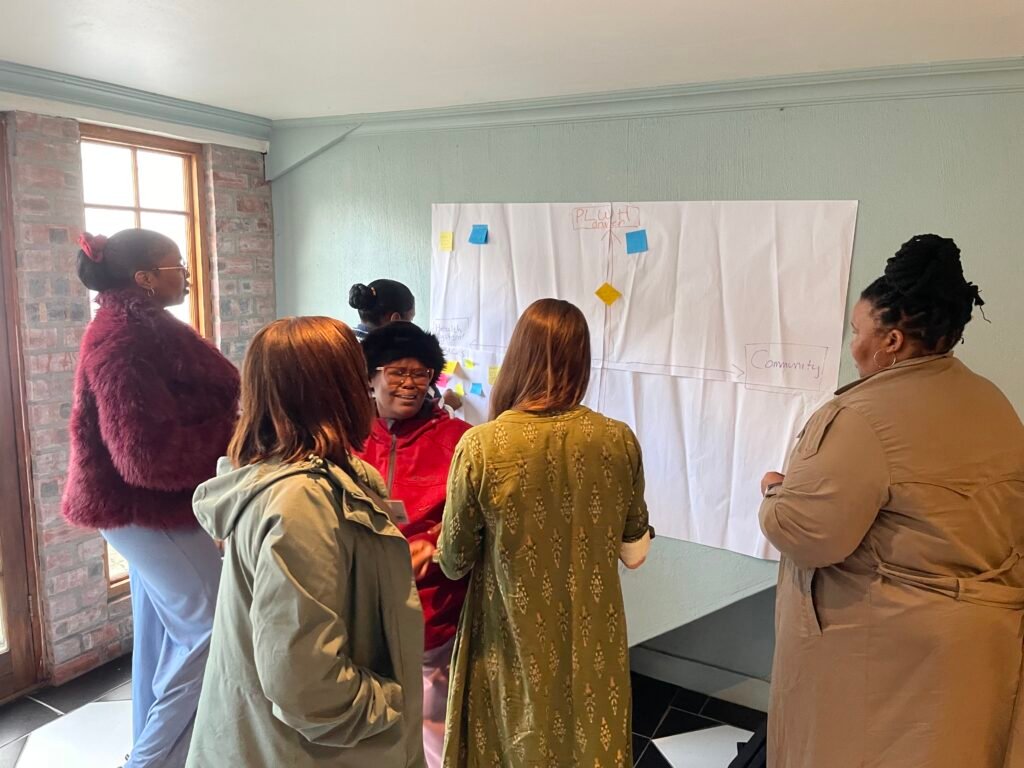
On the 12th of September 2026, we held a workshop with community stakeholders, including young people, and representatives of population groups who may experience frequent mobility and additional barriers to accessing healthcare, for example men or sex workers. Participants explored different personas and created illustrative profiles of mobile people living with HIV to understand their movement patterns, barriers to accessing care and strategies for continuing treatment while moving:
- “Thuli” – the daily commuter
- “Thabo” – the long absence worker
- “Flavi” – the cross-border migrant
- “Phuska” – the seasonal migrant worker
- “Sisipho” – the unexpectedly delayed traveller




Human-centred design retreat
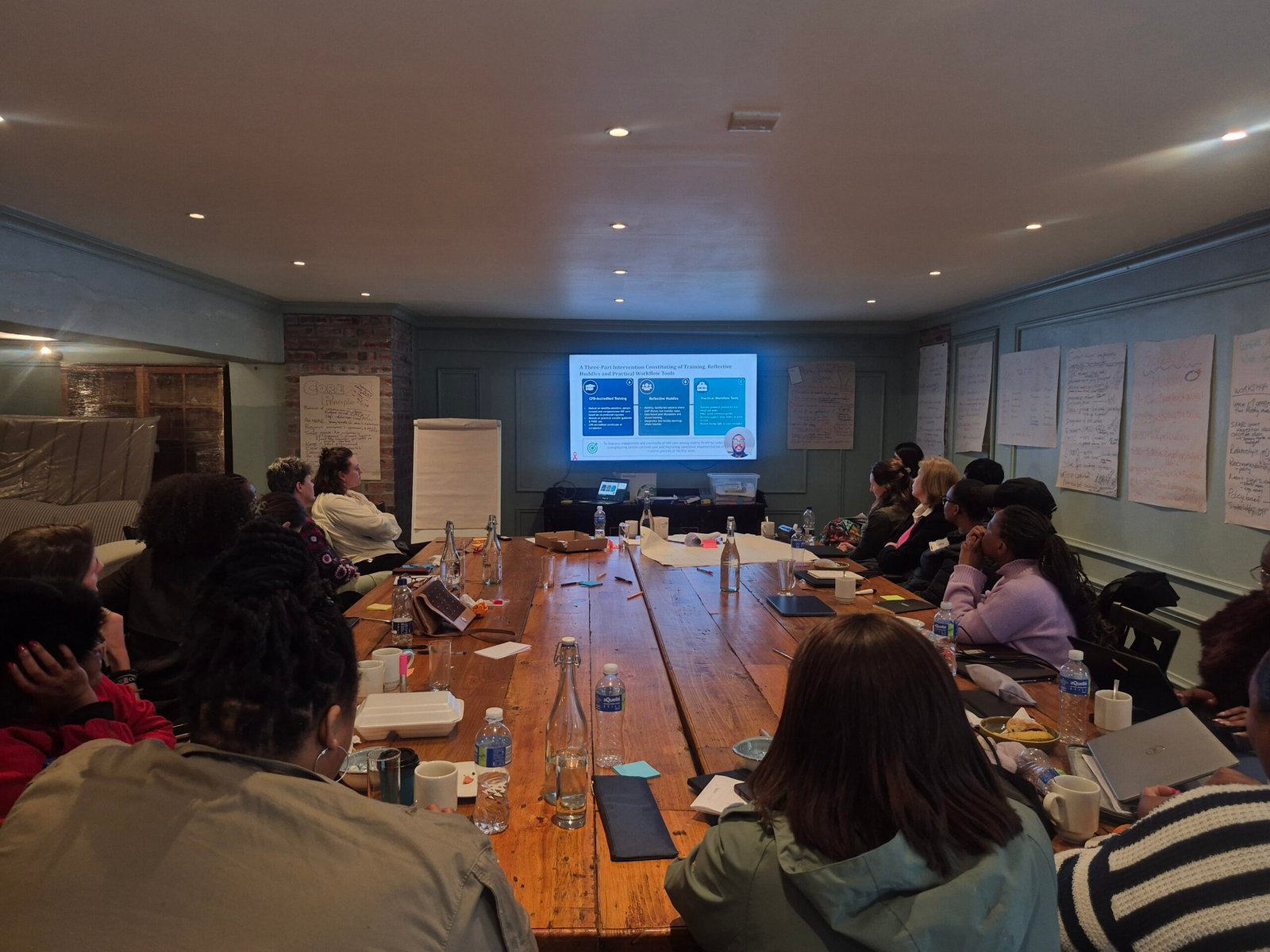
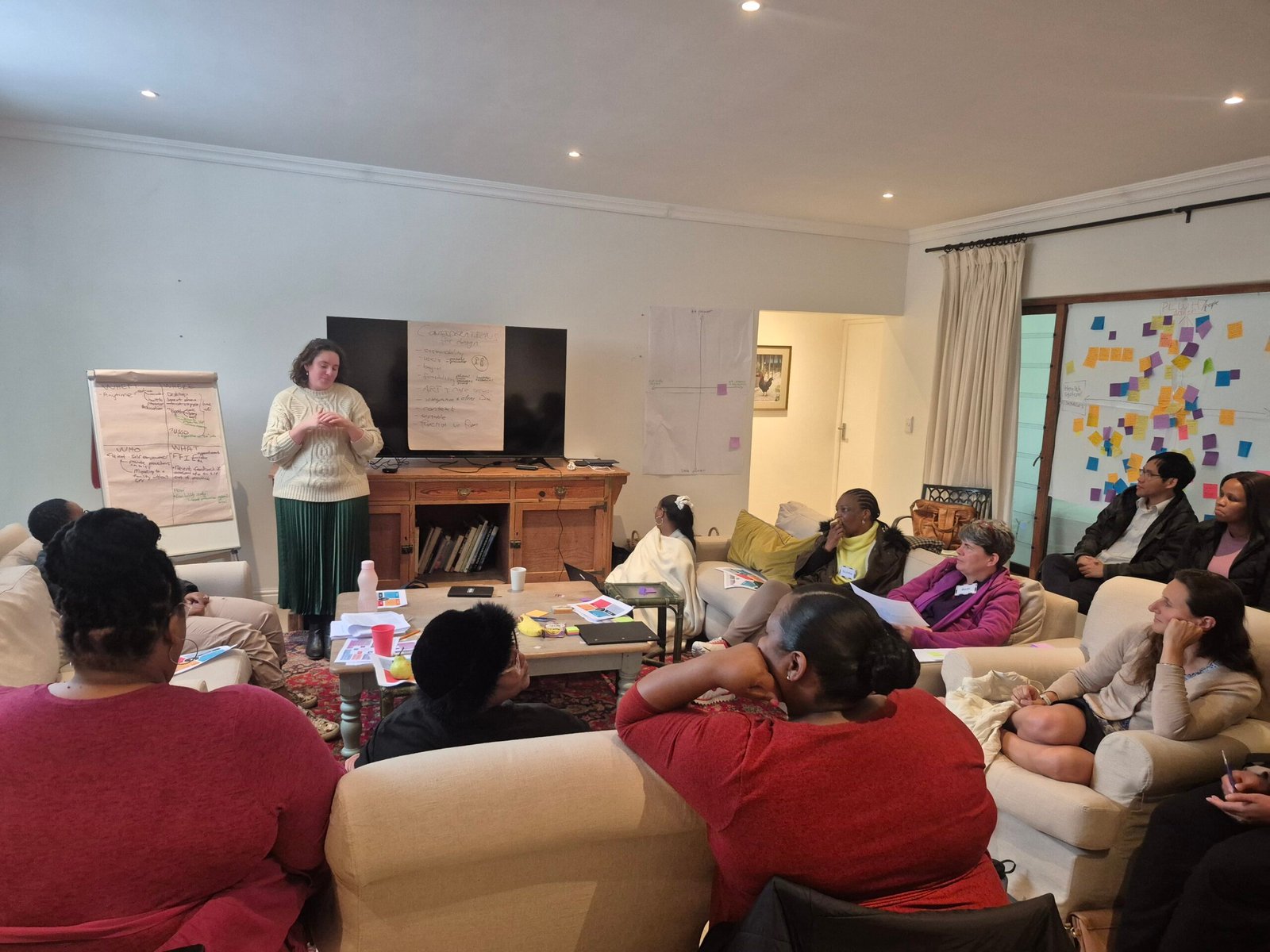
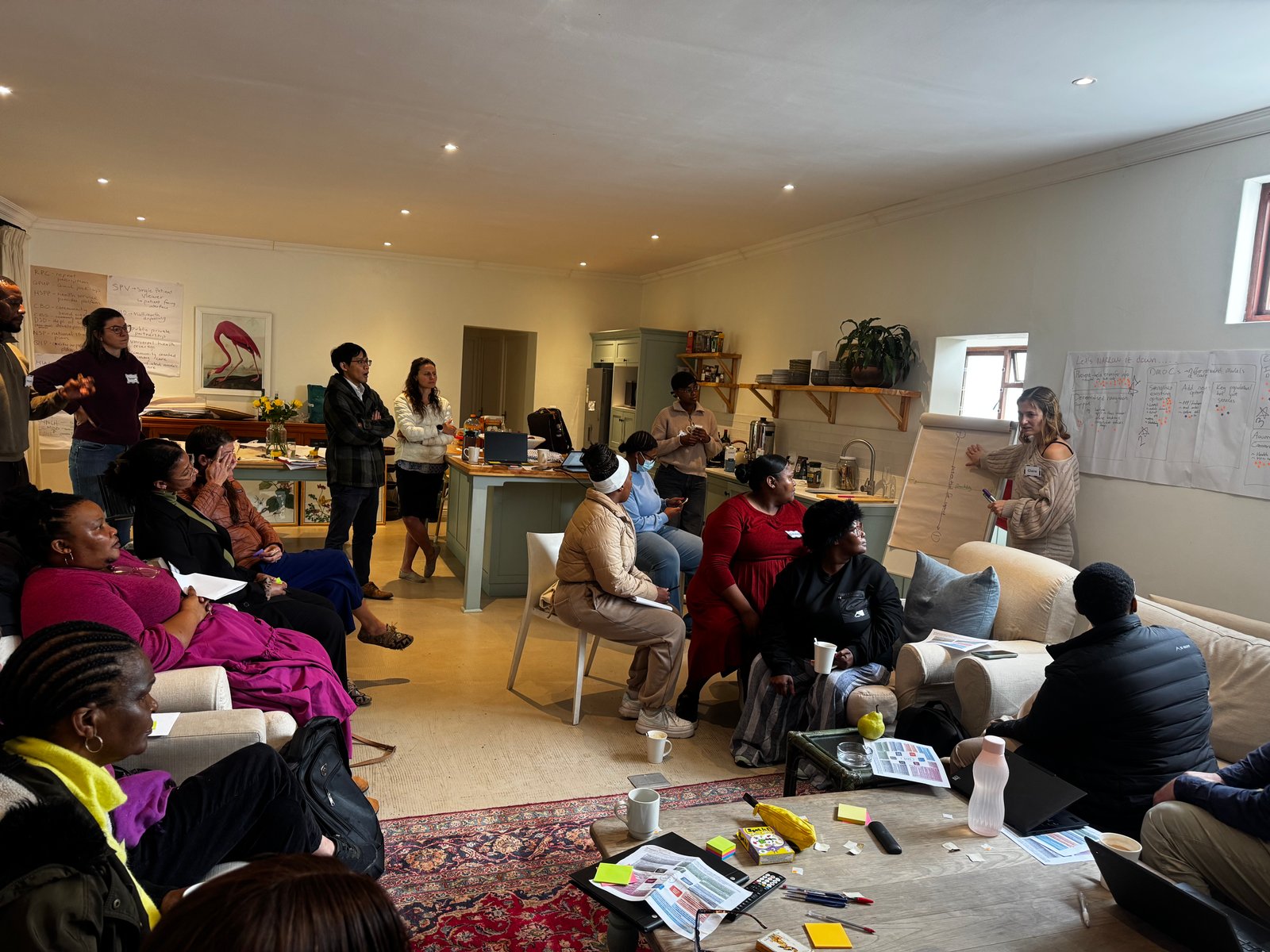
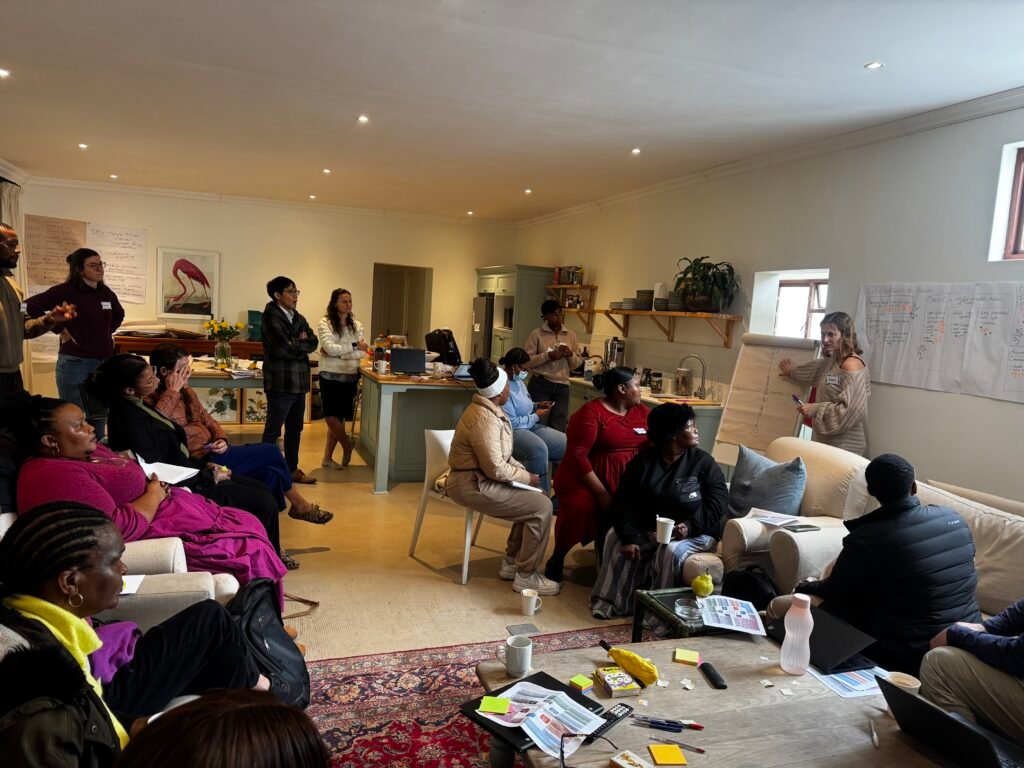
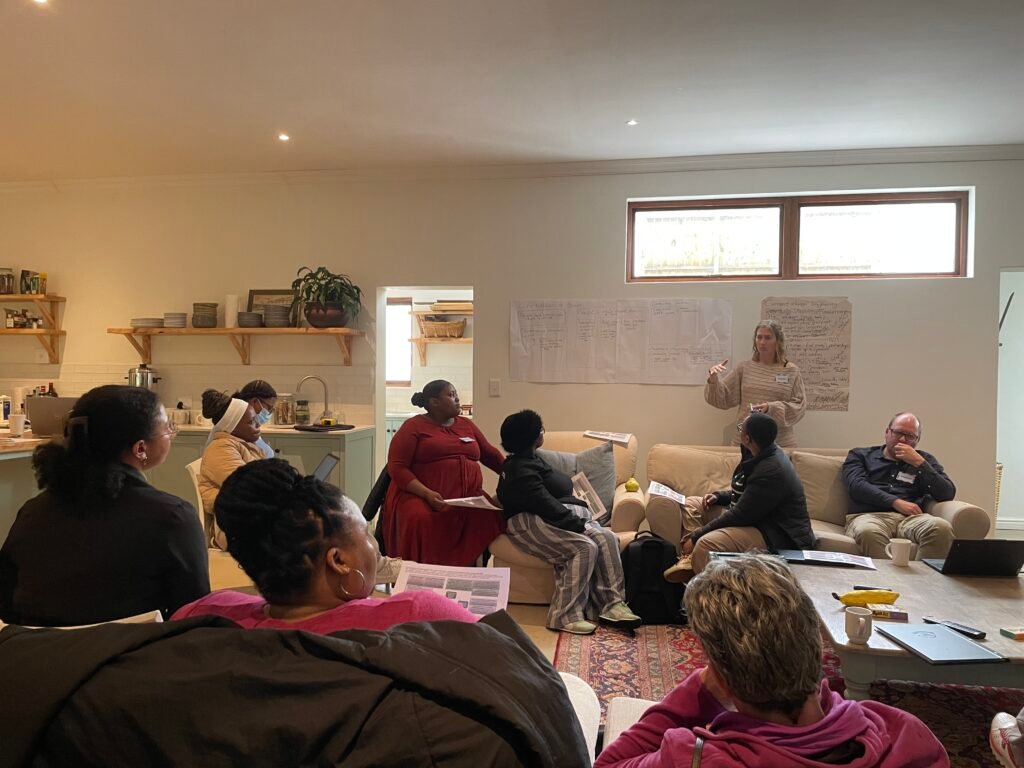
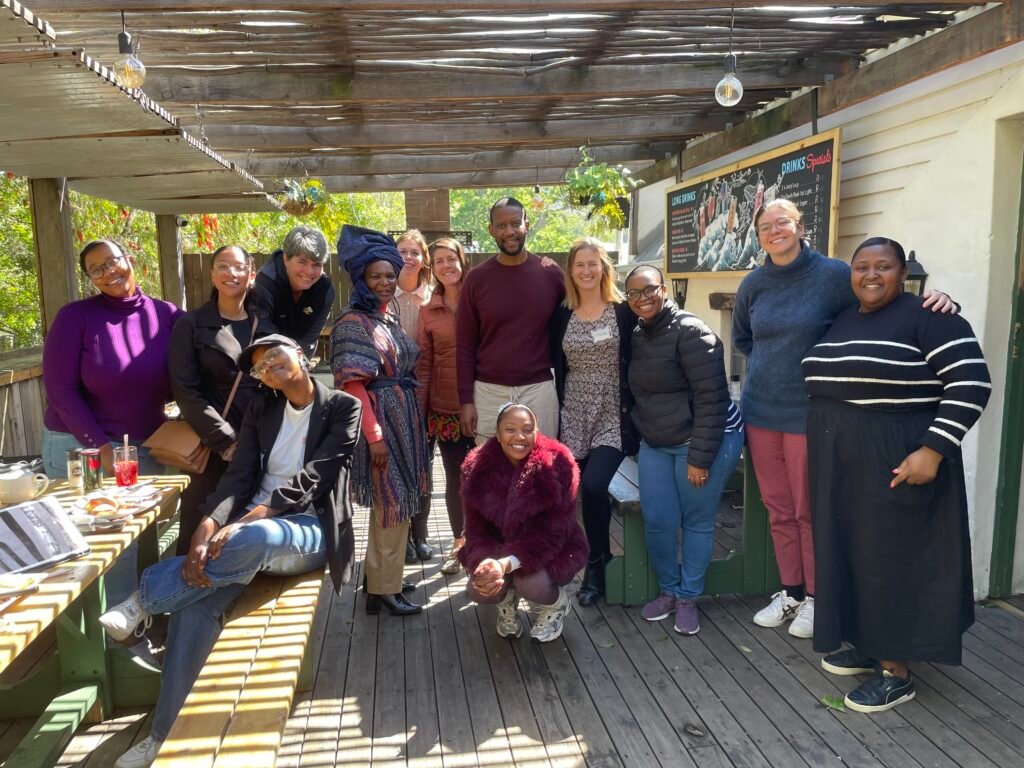
Building on findings from earlier ON-THE-MOVE research and the two stakeholder workshops, we held a three-day co-creation retreat in Noordhoek, Cape Town from 14 – 16th September 2026. The retreat brought together collaborators from across the ON-THE-MOVE project, including community representatives, healthcare providers, health managers, Department of Health decision-makers, implementation scientists and public health specialists.
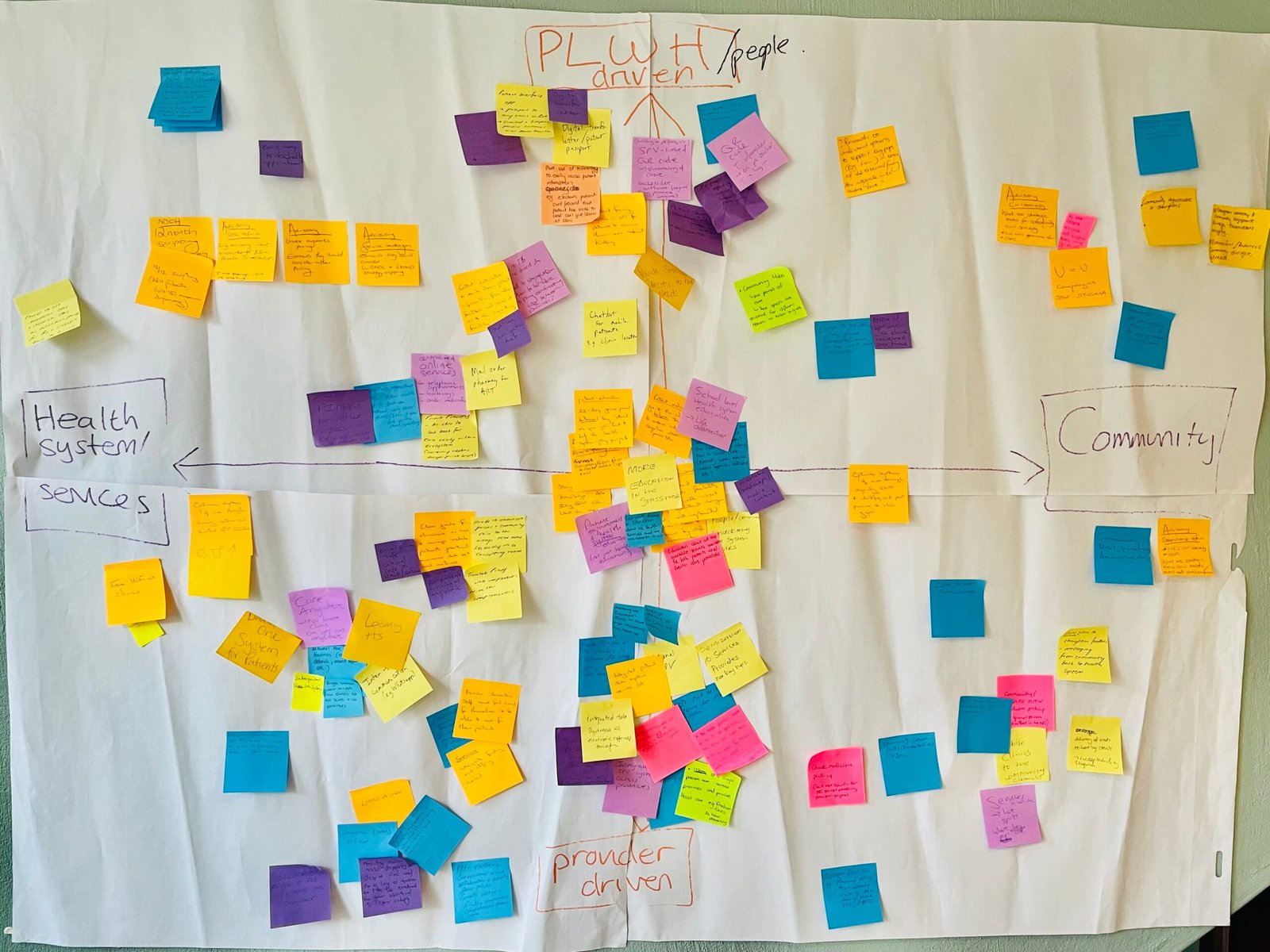
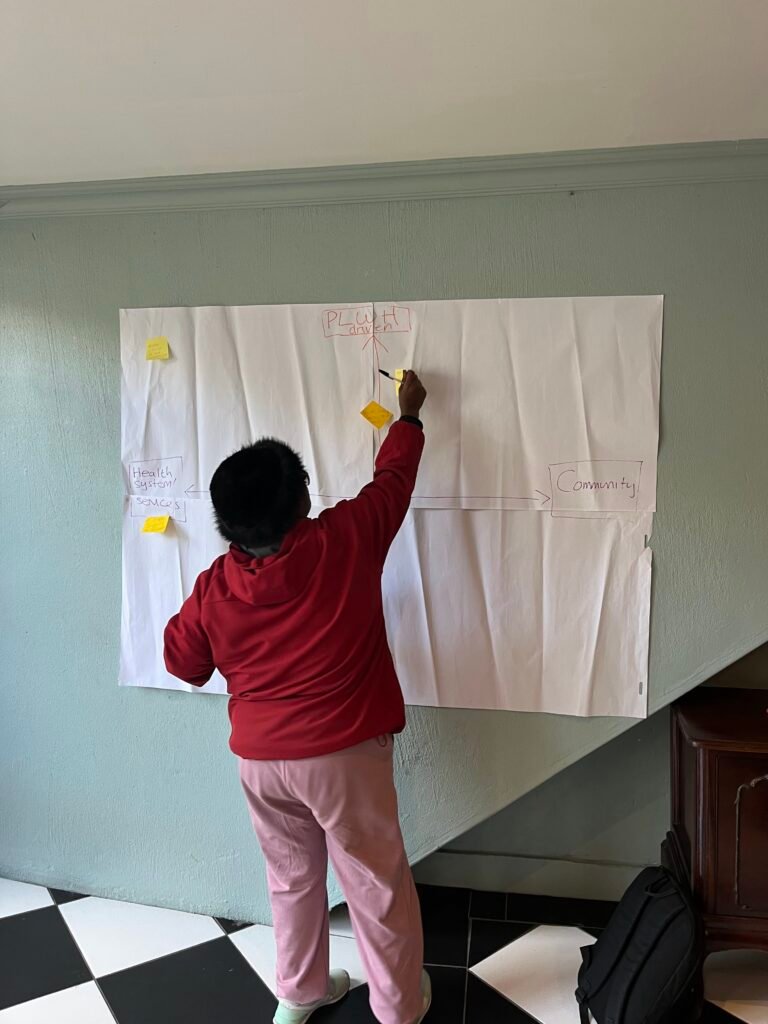
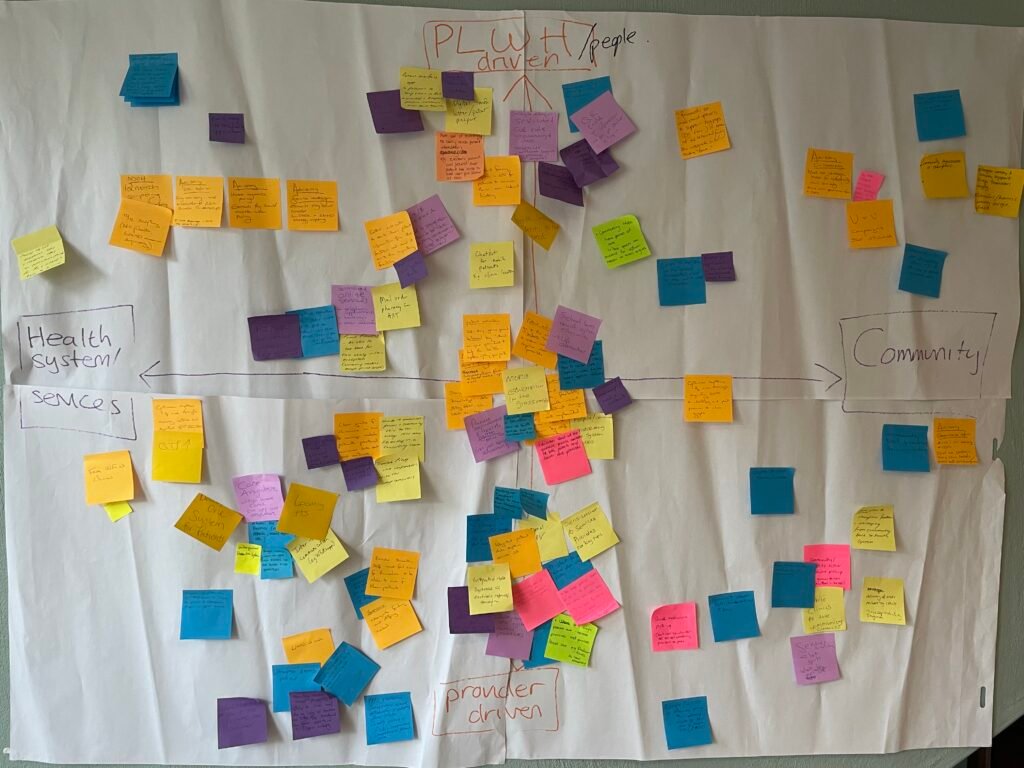
On the first day, participants agreed on a shared approach and rules for the retreat and reviewed findings from earlier ON-THE-MOVE research activities to establish a common understating of the work. Participants were then asked to brainstorm solutions to address barriers to continuity of HIV care when people are mobile, and categorise their ideas according to who would lead them (patients or healthcare providers) and where they would be implemented (within healthcare facilities or communities).
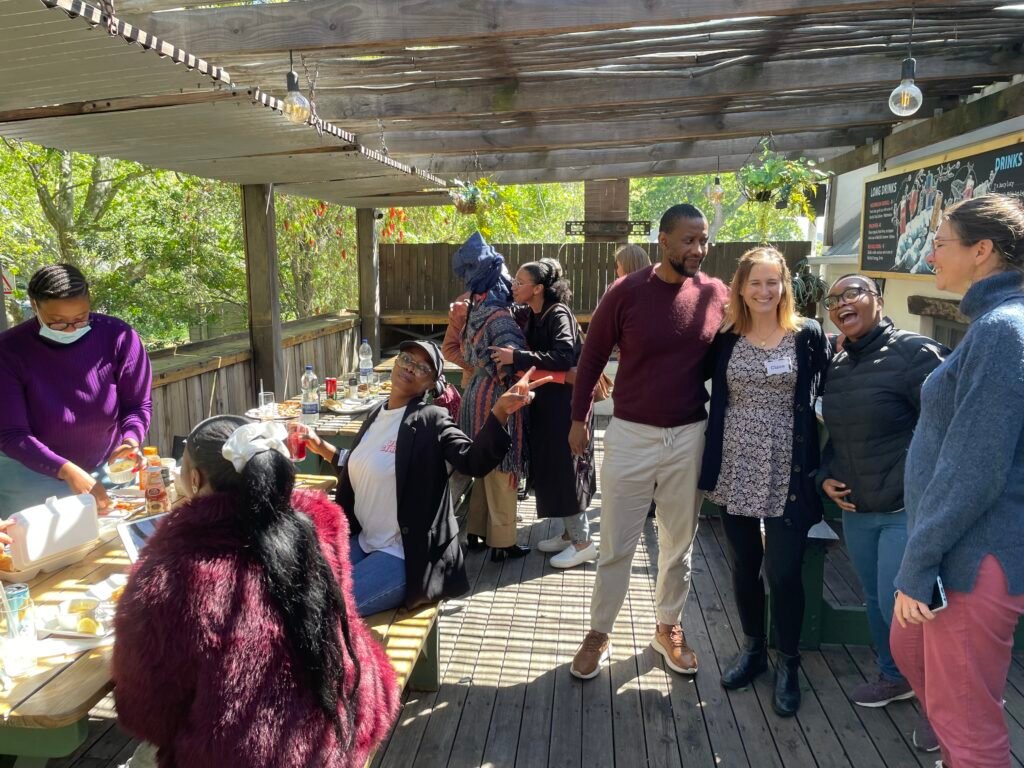
To set the tone, every session started with a round where every individual was ablet o contribute an answer to a question about how they were feeling and where we were going. Outside formal sessions participants also prepared meals together. Cooking together was intended to build relationships, encourage informal interaction, change perceived power imbalances and reduce hierarchical differences between stakeholders. This process helped all participants feel equally welcome, valued and comfortable contributing to the co-creation process.
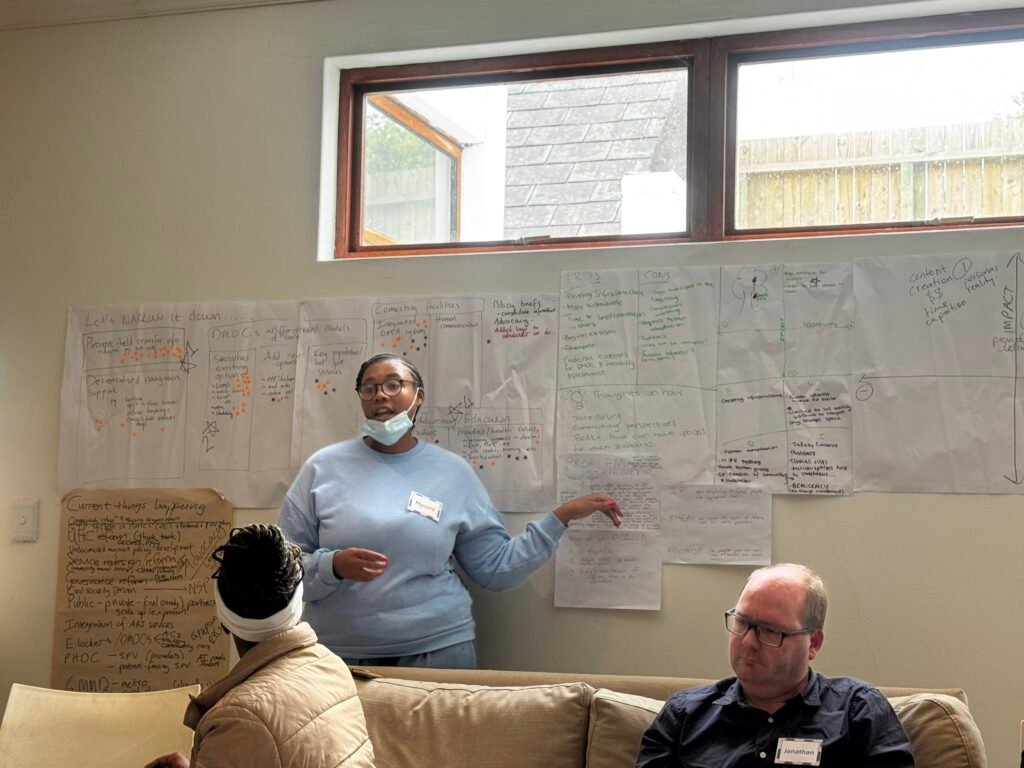
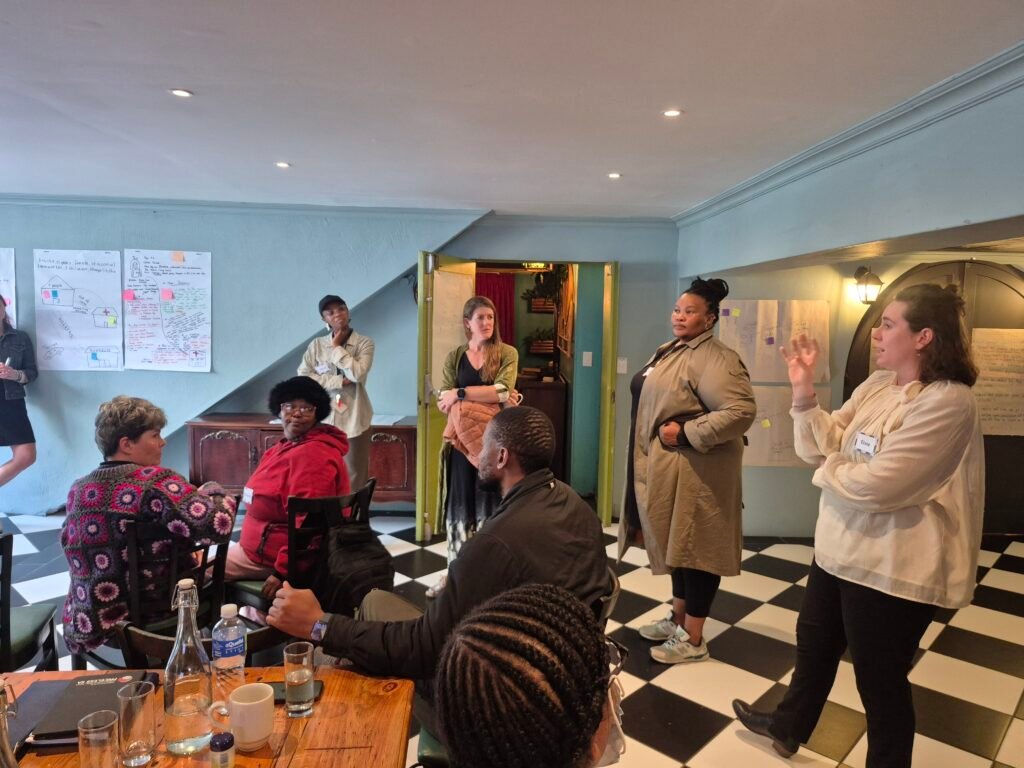
On the second day, the research team grouped the proposed solutions into intervention themes. Each participant then voted for their three preferred themes based on feasibility and potential impact. Participants split into smaller groups, ensuring that each included people from different stakeholder groups. Each group developed one intervention theme into a practical proposal and presented it to the wider group for discussion.
On the final day, the group explored opportunities for progressing the two prototypes intervention concepts. The retreat concluded with a discussion of the next steps for continued collaboration.

After the workshops
Two funding proposals are being co-developed based on the solutions generated through the workshops, and one has been submitted for grant funding. We have created a working group encompassing the wider ON-THE-MOVE network to share ideas and support, contribute to knowledge exchange, and work together to push the prototyped interventions forward. We will continue to invest in the collaboration and the people in it.
Developing solutions for mobile PLHIV requires both an understanding of their experiences and needs, as well as consideration of what healthcare providers and health systems can feasibly deliver. Having everyone at the table helps to bring these perspectives closer together and find a feasible and effective way forward.
– Written by Mpumi Zondo and Luyanduthando Mqadi