Student Projects

Abeny Tabisa Ayuen Madit
University of Oxford | South Sudan LinkedIn
Abeny is a South Sudanese public health practitioner currently reading for the Master of Science in International Health and Tropical Medicine at the University of Oxford. Abeny’s academic work sits at the intersection of forced displacement, HIV care, and mobile populations, and draws on her experience working with displaced communities in East Africa.
Project Description
My dissertation, part of my MSc in International Health and Tropical Medicine at the University of Oxford, is a scoping review examining what interventions have been designed to support people living with HIV who are geographically mobile to stay connected to HIV care in sub-Saharan Africa. Geographic mobility, whether driven by season work, conflict, flooding, or forced displacement, repeatedly disrupts access to antiretroviral therapy and retention in care, yet this population has received very little dedicated attention in the intervention literature. My research question is: what interventions have been developed to support HIV care engagement among mobile people living with HIV in sub-Saharan Africa, how can these interventions be meaningfully categorised, and what does the available evidence show about their reach and effectiveness?
Conrald Ekukole Metuge
University of Oxford | Cameroon LinkedIn
Conrald is a medical doctor and public health professional with experience across clinical practice, HIV service delivery, and health systems strengthening. Conrald’s work has included coordinating HIV/TB services at the health facility-level in Cameroon and managing PEPFAR-funded HIV programmes for key and vulnerable populations. He is currently completing an MSc in Health Service Improvement and Evaluation at the University of Oxford.
Project Description
The project focuses on improving continuity of HIV care for mobile people living with HIV in the Western Cape, South Africa. Mobility across facilities can help patients stay connected to care, but it can also create points of disruption when transfer processes and existing guidance are inconsistently implemented or when patients face stigma and poor behaviour from healthcare workers. Building on preliminary findings from the ON THE MOVE collaboration, the work proposes a person-centred intervention to strengthen frontline implementation of existing transfer guidance through training, coaching, reflective practice and practical support tools. The central research question is: How can a theory-informed person-centred intervention strengthen continuity of HIV care for mobile PLWH during inter-facility transfers in the Western Cape?


Madeleine Levey
University of Oxford LinkedIn
Madeleine Levey is a 3rd year Biomedical Scientist (MBiomedSci) at the University of Oxford.
Project Description
My project, which contributes to my Biomedical Science undergraduate Final Honours School, is a scoping review that explores the relationship between generative AI and authorship. In global health research partnerships between the Global North and Global South, disparities are often evident in the authorship and recognition of participants’ contributions, affecting their future opportunities and tenure. Generative AI may be able to improve authorship equity, perhaps by substituting for resources that some research environments lack which hinders their ability to publish. My research question is: How does the use of generative AI tools in health systems research in resource constrained contexts affect academic authorship in North-South research partnerships?
Anya Macaulay
University of Oxford LinkedIn
Anya Macaulay is a medical student at the University of Oxford.
Project Description
As part of my intercalated BA in Medical Sciences, I am conducting a scoping review exploring service adaptation post re-engagement in HIV care. People living with HIV who disengage from and then re-engage with antiretroviral therapy represent a growing, clinically distinct group. However, care delivery methods are largely designed around the ‘ideal’, stable patient starting and maintaining their care for the first time. It is currently not well described how care changes, if at all, for people rejoining after a gap in their treatment. My research question is: How do health systems in settings with a high HIV burden operationalise service delivery for adults returning to HIV care following a period of disengagement?

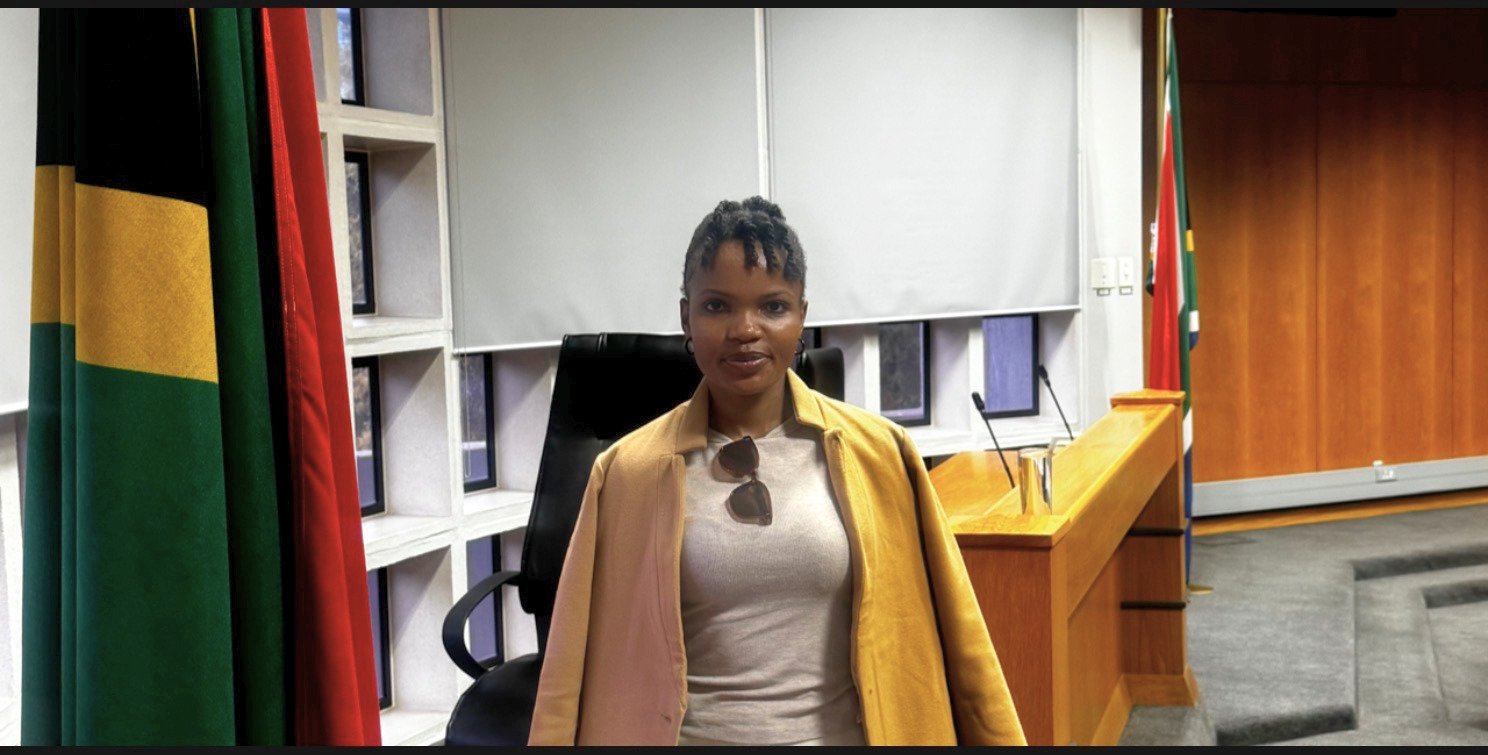
Ntombikayise Mvelase
University of Cape Town
Ntombikayise (Ntombi) Mvelase is a Master of Public Health student at the University of Cape Town, specializing in Epidemiology and Biostatistics. Her research interests include HIV care, mobility, health systems, and the health and social impacts of extreme weather events.
Project Description
I currently support the ON-THE-MOVE study, which explores geographic mobility and inter-facility transfers among people living with HIV receiving antiretroviral therapy in the Western Cape, South Africa, and their relationship with engagement in HIV care and treatment outcomes. I also work as a Research Assistant at Kheth’Impilo on a collaborative study with Western University exploring the experiences of community care workers and HIV patients during extreme weather events and disasters in the Western Cape. Through these projects, I hope to contribute to evidence that informs responsive health services and strengthens community resilience.